Bats are back 🦇
We are now well into the spring season and bats will be very busy feeding and mating. The Dumfries and Galloway Bat Group have also been very busy over the last few months, with funding and support from Species on the Edge. The group were awarded funding for a suite of bat boxes, which provide extra habitats for hibernating and roosting bats. Newton Stewart Men’s Shed have made and supplied the group with bat boxes made using local timber. So far this year around 50 boxes have been erected, with plenty more in the pipeline. Several boxes have been placed at Wood of Cree and Crook of Baldoon RSPB reserves, but also at sites owned by D&G Council, Newton Stewart Golf Course and Forestry and Land Scotland.
All hands on deck for the Northern Brown Argus 🦋
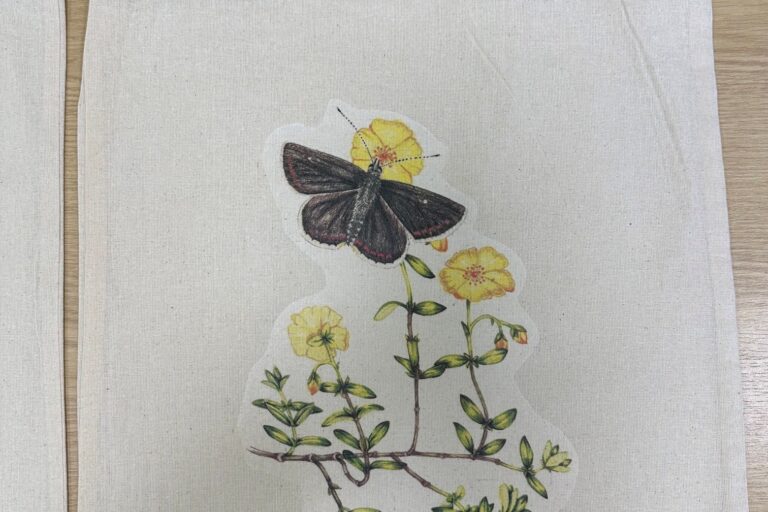
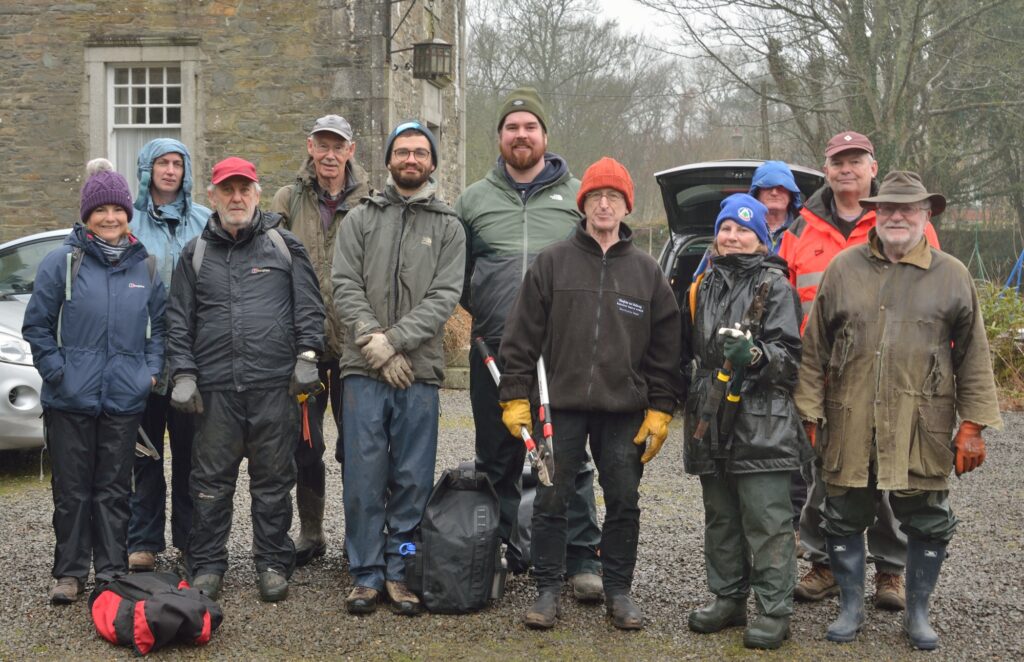
Northern Brown Argus butterflies will also be on the wing any time now and, as usual, we are gearing up for the survey season. Back in January, we ran a work party near Borgue to remove gorse and scrub from a site where it threatened to outcompete Common Rock-rose – the butterfly’s larval food plant. We have been supporting a local group to continue management beyond Species on the Edge by providing funding for a brushcutter and volunteer training. We’re also planning to host a workshop on advanced survey methodologies for Northern Brown Argus at Kirkandrews in partnership with Butterfly Conservation Species-rich Grasslands Project Officer Apithanny. Details coming soon.
Habitat work for Lapwings, terns and toads 🐸
An array of work has been happening at local RSPB reserves to support our target species. At RSPB Crook of Baldoon, Species on the Edge provided the opportunity to purchase a tractor and other equipment which will enable a programme of rush topping through the autumn. This will result in the long-term reduction in rush cover, creating better habitat for breeding Lapwing. Furthermore, a large area of new habitat has been created for breeding terns at the reserve. Two islands were repurposed by removing rank vegetation and laying down sand and shingle to create ideal breeding conditions. 3D printed tern decoys were painted by young people from Outpost Arts’ Creative Toolbox Graduate Programme, and RSPB scientists created solar-powered sound lures to attract passing birds.
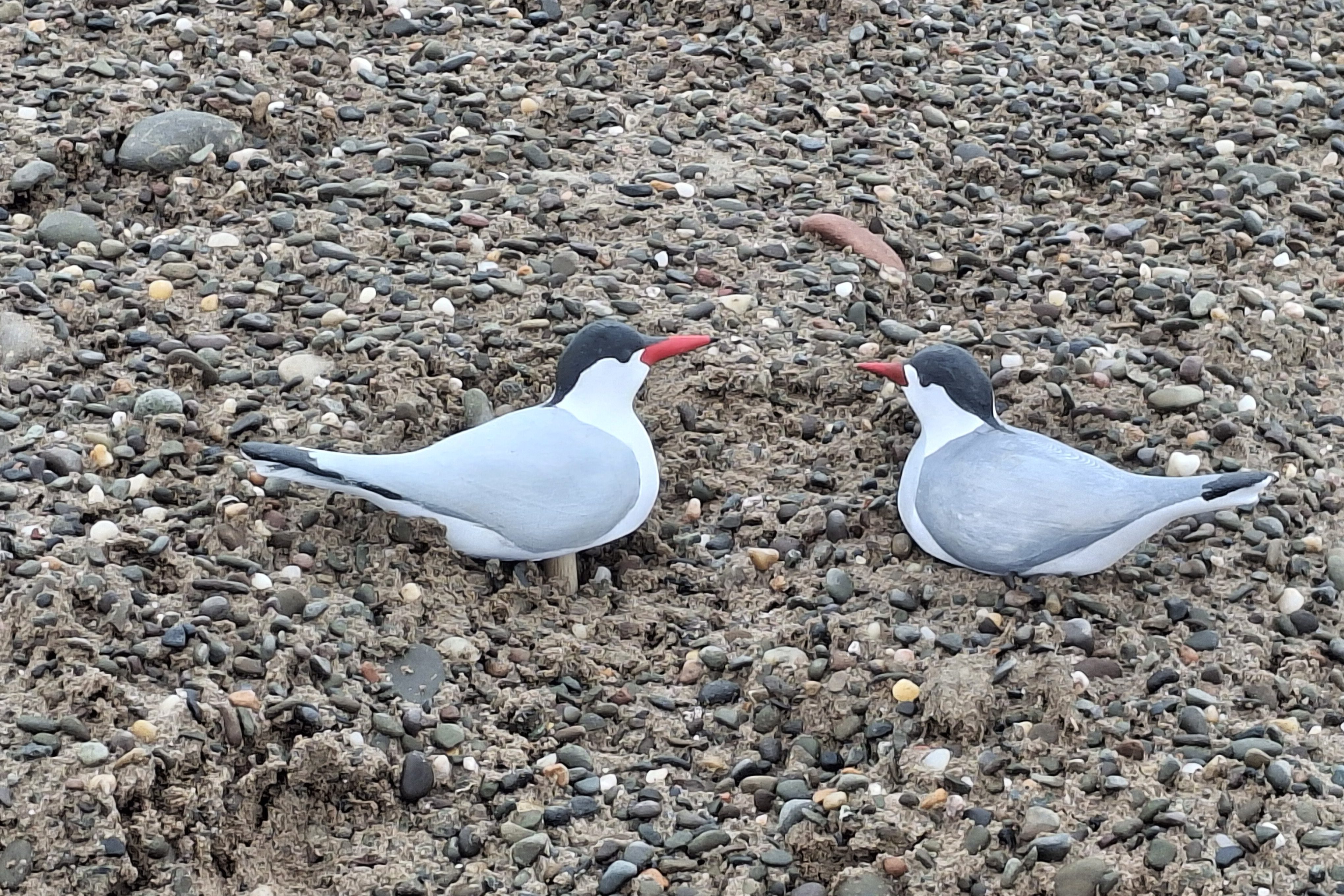
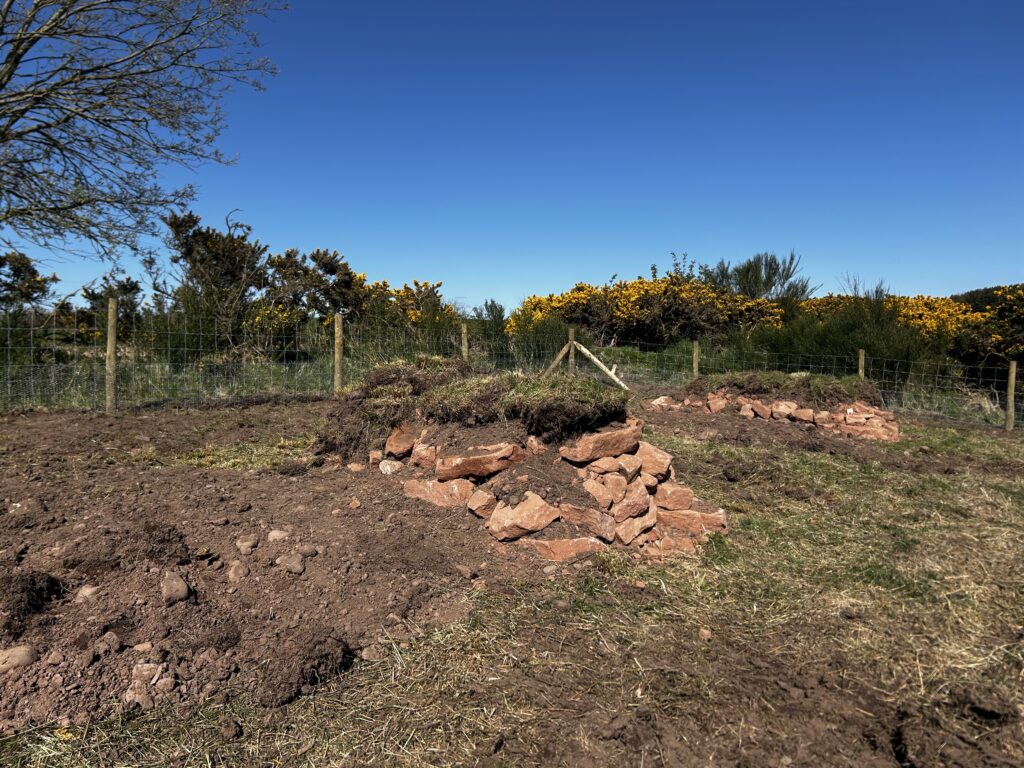
New Natterjack Toad breeding habitat was created at RSPB Mersehead with a long-term vision of establishing greater connectivity between the toads at the reserve and their ancestral population at Southerness. Elsewhere on the Solway, hibernacula were created at a site owned by Scottish Water near Powfoot. These bespoke structures will provide vital over-wintering habitat for the toads, and opportunity for them to create burrows in which to take shelter and escape harsh conditions over the winter months. We have also been expanding our bioacoustics monitoring programme in the hopes of gaining a better understanding of the species’ current distribution. Residents local to the Solway Coast are also being encouraged to submit records of hearing chorsuing natterjacks to Inner Solway Project Officer Liam – if you have any relevant information, please send it to sote@arc-trust.org