New wintering habitat has been built for natterjack toads at a Scottish Water wastewater treatment works at Powfoot on the Scottish Solway Coast.
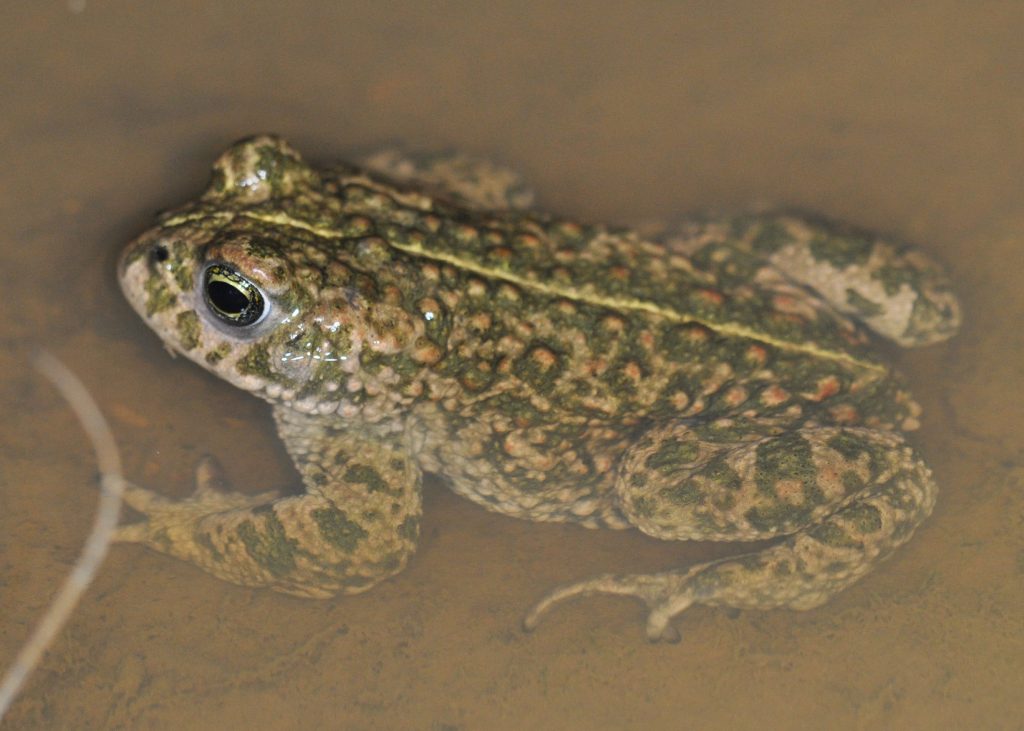
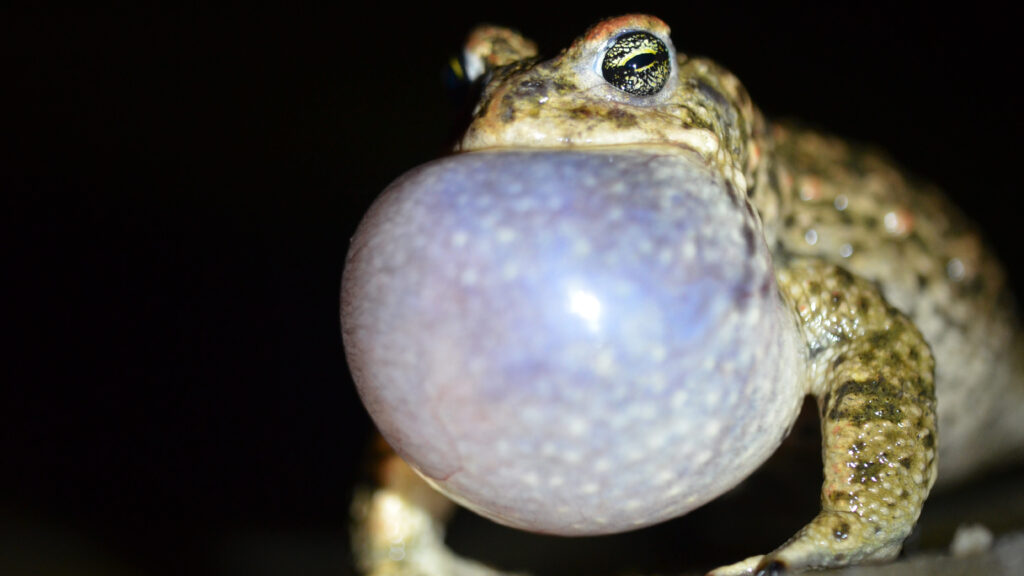
The natterjack toad (Epidalea calamita) can only be found at a handful of locations in Scotland, all on the Solway coast; it is now Scotland’s rarest amphibian. Natterjack numbers have declined dramatically in recent years, largely due to habitat loss caused by sea level rise, coastal erosion, agricultural intensification, urban expansion and commercial forestry.
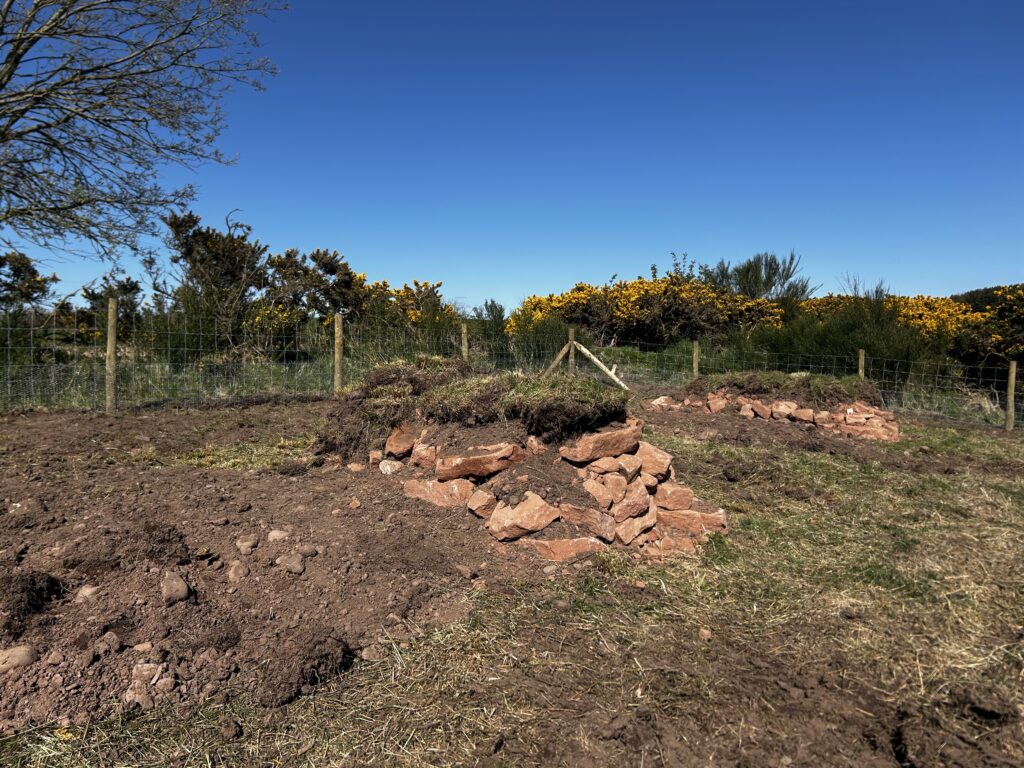
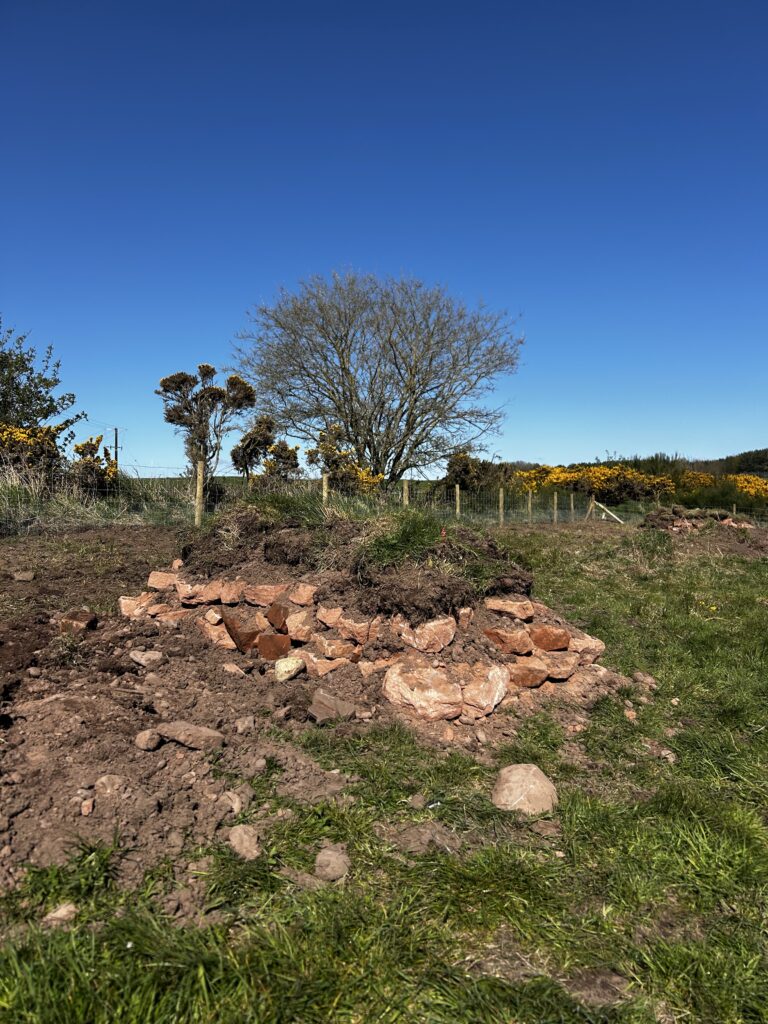
To help address this decline in habitat, Scottish Water, NatureScot, Amphibian and Reptile Conservation (ARC), and Hoddom and Kinmount Estates have joined together to build hibernacula, specialist structures designed to provide natterjacks safe spaces to shelter in winter. The project has been funded by Species on the Edge, an endangered species conservation programme funded by The National Lottery Heritage Fund. The construction of the hibernacula has been carried out by environmental services and ground maintenance company, Ground Control.
Each hibernaculum is built by digging pits into the earth and filling them with large rocks. Sand is packed into the spaces between. The natterjack toad is the only amphibian in the UK with the ability to burrow, and the structure creates a network of cavities and crevices with varying microclimates into which the natterjacks can burrow, shelter and regulate their body temperature during winter.
The design takes inspiration from features of the traditional farmed landscape – such as dry-stone walls and dust baths – which natterjacks once relied on but which have largely disappeared due to the intensification of modern agriculture.
Liam Templeton from Amphibian and Reptile Conservation (ARC) said: “We’re incredibly fortunate to have the iconic natterjack toad on the Scottish Solway Coast. The species was once abundant here, particularly at locations like Powfoot; local residents speak fondly about times when natterjacks could be heard chorusing on warm spring and summer evenings. It is our ambition for the species to return to its former glory so that such experiences can be enjoyed by future generations to come.
By constructing these hibernacula, we are providing a key habitat requirement for the species and ensuring that they have every opportunity to thrive as they have done before.”
Terri Ward, Biodiversity & Natural Capital Leader at Scottish Water, said: “Scottish Water is delighted to be working on this project alongside ARC, NatureScot and Ground Control. Healthy, well-functioning ecosystems are key to supporting the resilience and sustainability of water and wastewater services. These habitat improvements are part of a wider focus on treating nature as a vital asset in responding to challenges such as climate change.”
To find out more visit: www.speciesontheedge.co.uk/natterjack-toad or www.arc-trust.org.
Gallery
About Species on the Edge
Species on the Edge is a multi-partner species conservation programme dedicated to working with communities across Scotland’s coasts and islands to help them secure a future for their local nationally and internationally vulnerable species. Funded by The National Lottery Heritage Fund, the partnership consists of Amphibian and Reptile Conservation, Bat Conservation Trust, Buglife, Bumblebee Conservation Trust, Butterfly Conservation, NatureScot, Plantlife, and RSPB Scotland. The programme is active across seven landscape-scale areas in Scotland: Argyll and the Inner Hebrides; Outer Hebrides; North Coast; Orkney; Shetland; East Coast; Solway Coast.
About Amphibian and Reptile Conservation
Amphibian and Reptile Conservation (ARC) is a UK based wildlife charity dedicated to two important groups of animals. Its mission is to safeguard healthy populations of amphibians and reptiles and the habitats on which they depend. ARC’s team work to conserve green spaces, enthuse and involve more people in their conservation through its custodianship of over 80 nature reserves, spanning across 2000 hectares. The trust takes forward conservation directly through its team of over 50 employees along with 1000 volunteers. These include governmental and NGO bodies partners to influence others through advocacy, education and increasing awareness. In addition to its work in the UK, ARC also works to make a difference for amphibians and reptiles further afield, across Europe and internationally.