
Wildlife charity Amphibian and Reptile Conservation (ARC) is asking residents of the Scottish Solway coast to listen out for the iconic call of Scotland’s rarest amphibian, the natterjack toad.
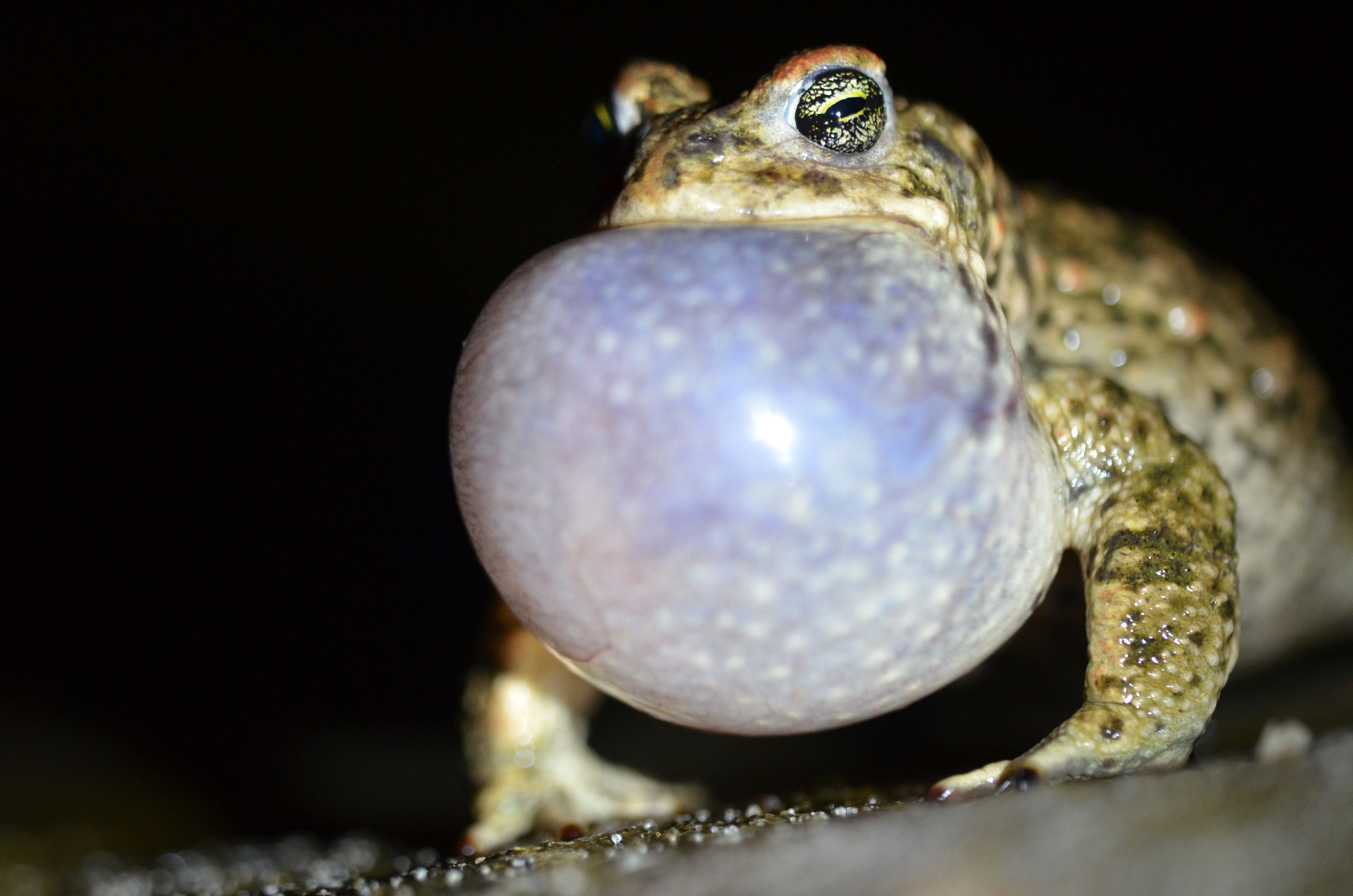
The natterjack toad (Epidalea calamita) can only be found at a handful of locations in Scotland, all on the Solway coast.
Natterjack numbers have declined dramatically in recent years, largely due to habitat loss caused by sea level rise, coastal erosion, agricultural intensification, urban expansion and commercial forestry. Natterjack breeding habitat – shallow, seasonal pools found near the coast – is especially susceptible to extreme weather events such as prolonged periods of drought or severe winter storms, which are becoming more frequent due to climate change.
The natterjack toad is now Scotland’s rarest amphibian. It is a target species for ‘Species on the Edge’, a partnership programme of NatureScot, ARC, and six other nature charities, all working together to fight the decline of Scotland’s rarest and most vulnerable coastal species.
Through the Species on the Edge programme, action to boost Scotland’s natterjacks is in full swing on the Solway coast. Conservation activity includes habitat creation and enhancement work to address the decline in suitable natterjack breeding and hibernation habitat.
As part of this suite of conservation activity, ARC is asking Solway locals to listen out for and report if they hear the natterjack toad. These reports will help ARC assess the impact of ongoing conservation activity and help inform future efforts to support this struggling species.
Male natterjack toads call to attract a mate during the breeding season, which usually starts in April and can run until July. They have a loud, rasping call which can be heard up to 1km away. The toads are most active on warm evenings following periods of heavy rain.
Species on the Edge Project Officer for the Solway Coast, Liam Templeton, said: “The natterjack toad is truly a ‘species on the edge’ – in more than one sense. Here in Scotland the natterjack is at the very edge its range; the Solway Coast is the most northerly place on earth you’ll find it. And with its coastal habitat now being at almost constant risk, whether from storms, droughts, or sea level rise, it’s future in Scotland is teetering on the brink.
In order to ensure the survival of the natterjack toad on the Solway coast, it’s vital we understand how populations are faring. Local residents have a brilliant opportunity to help by reporting any natterjack calls they hear – a simple action that could make a real difference to the future of this rare and much-loved species.”
If you hear the natterjack toad, you can let ARC know by sending the date, time and location of where the toad was heard, and, if possible, an audio recording, to sote@arc-trust.org.
For more information on the natterjack toad and how you can get involved in conservation efforts, visit www.speciesontheedge.co.uk/natterjack-toad or www.arc-trust.org.