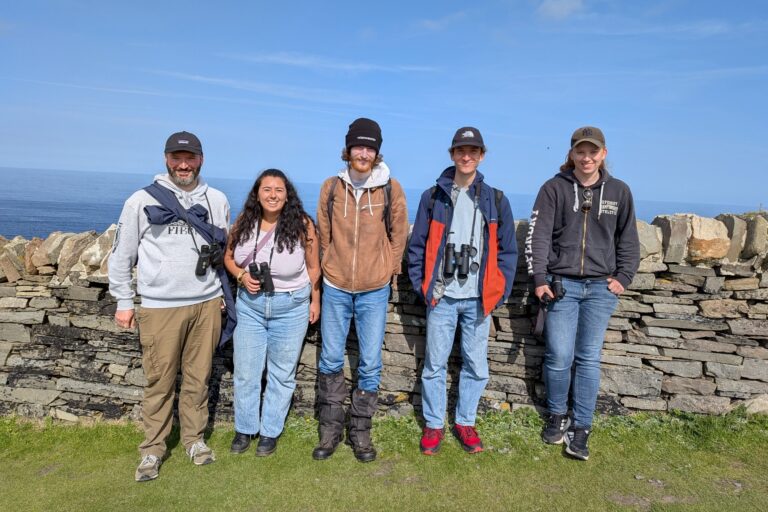
Species on the Edge is delighted to run a Youth Panel programme, helping young people learn new skills, meet like-minded people, and learn more about the conservation sector. Each of our Youth Panel members is supported in running a project in their local community with the aim of raising awareness of local vulnerable species, helping people connect with the nature on their doorstep, and inspiring community action. In this blog post, Maria De Silva – Youth Panellist for the Solway Coast – tells us about her project.
My project was themed on foraging. This is something that I have been interested in for a very long time and had always wanted to get into, as foraging is a way to connect with nature. By eating diversly we create more biodiversity and therefore are helping our environment. Through this project I wished to learn and share my interest with others.
I had never organised an event before; I had no idea what to expect and therefore it felt very daunting to start with. Having very limited knowledge in foraging myself I ended up collaborating with Mark Williams. Mark runs his own foraging company which is called Galloway wild foods. Mark was an amazing work partner and was very supportive. Thanks to him and Species on the Edge I was able to organise both events I intended to do with very little stress. I originally intended to do only one event, but due to limited numbers allowed on the courses I eventually settled for two over two days to allow as many people to take part as possible.
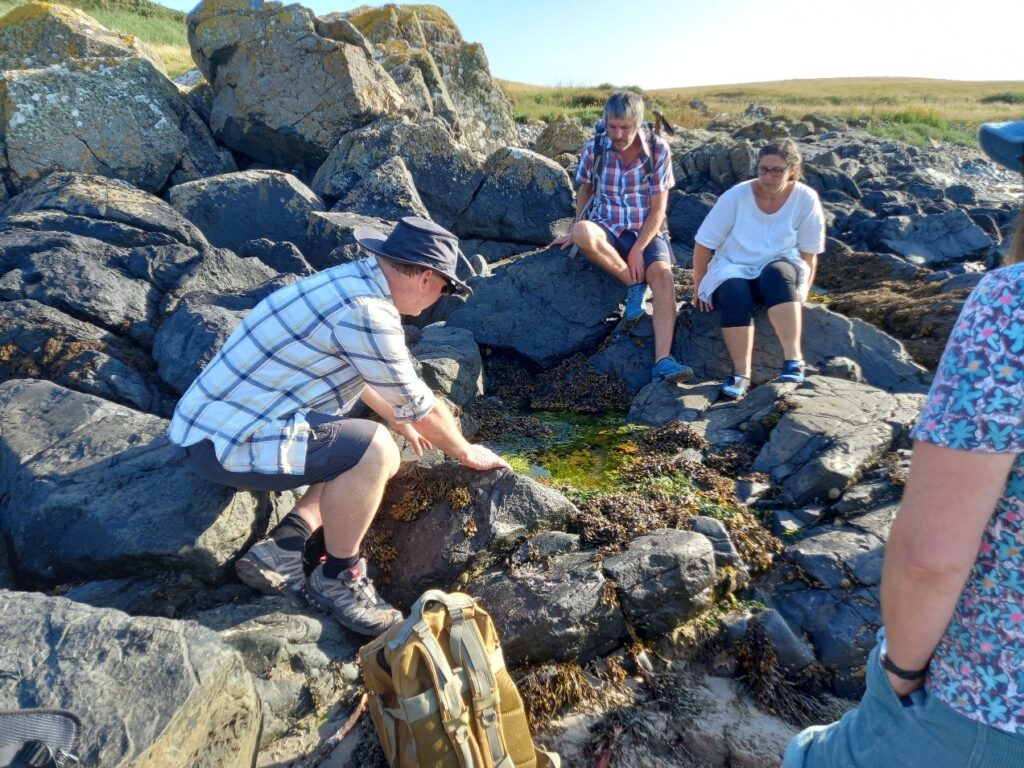
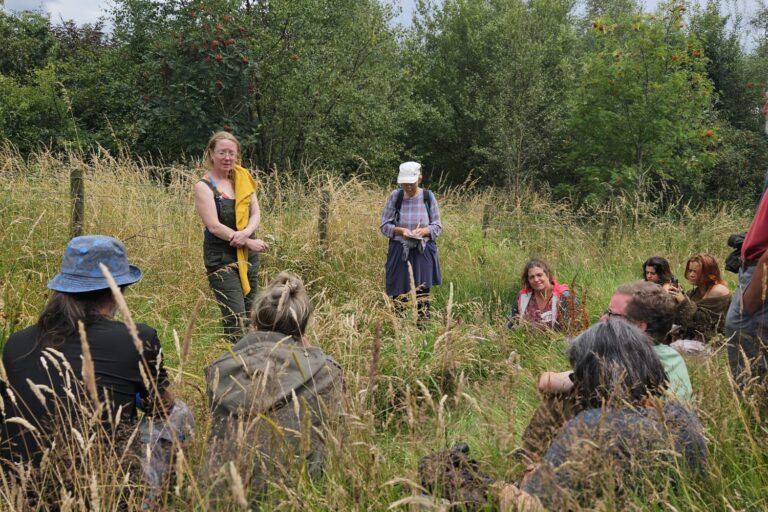
The first event was an evening of seaweed foraging at Ardwell Bay Beach. We couldn’t have asked for a better day; it was a warm summer’s evening and there wasn’t a breath of wind. We were a group of 10 and, as we all arrived, we introduced ourselves and enjoyed some elderflower and meadowsweet Champaign that Mark offered and made himself.
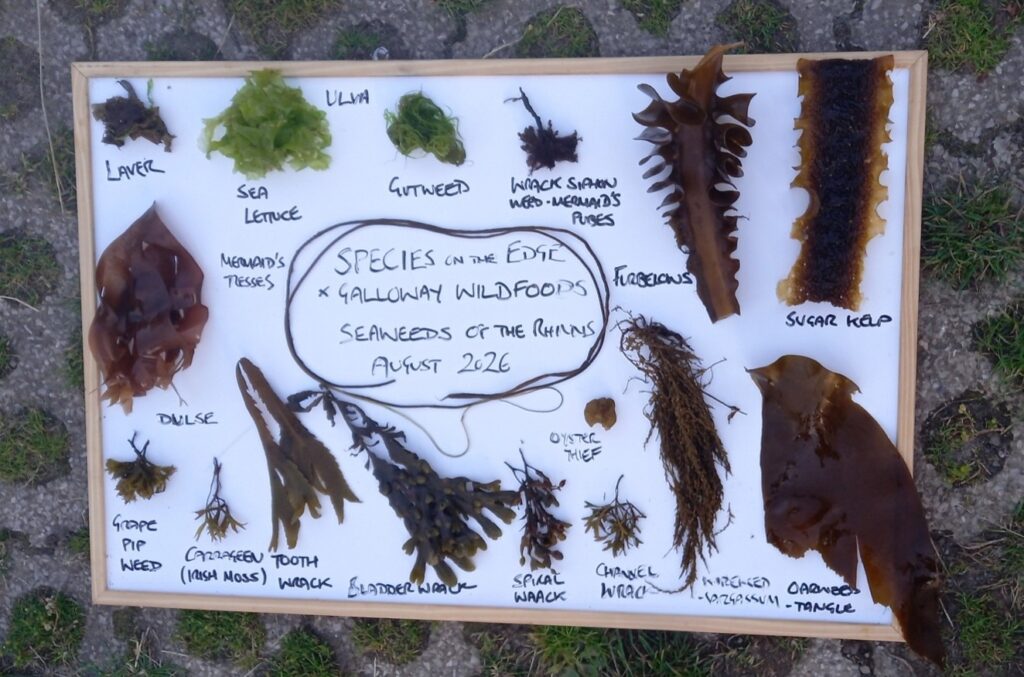
Throughout the course we were encouraged to taste the seaweeds we discussed. Mark had also brought samples of seaweeds that had been dried and pickled to allow us to explore what you could do with the food once we had harvested them. All were really delicious.
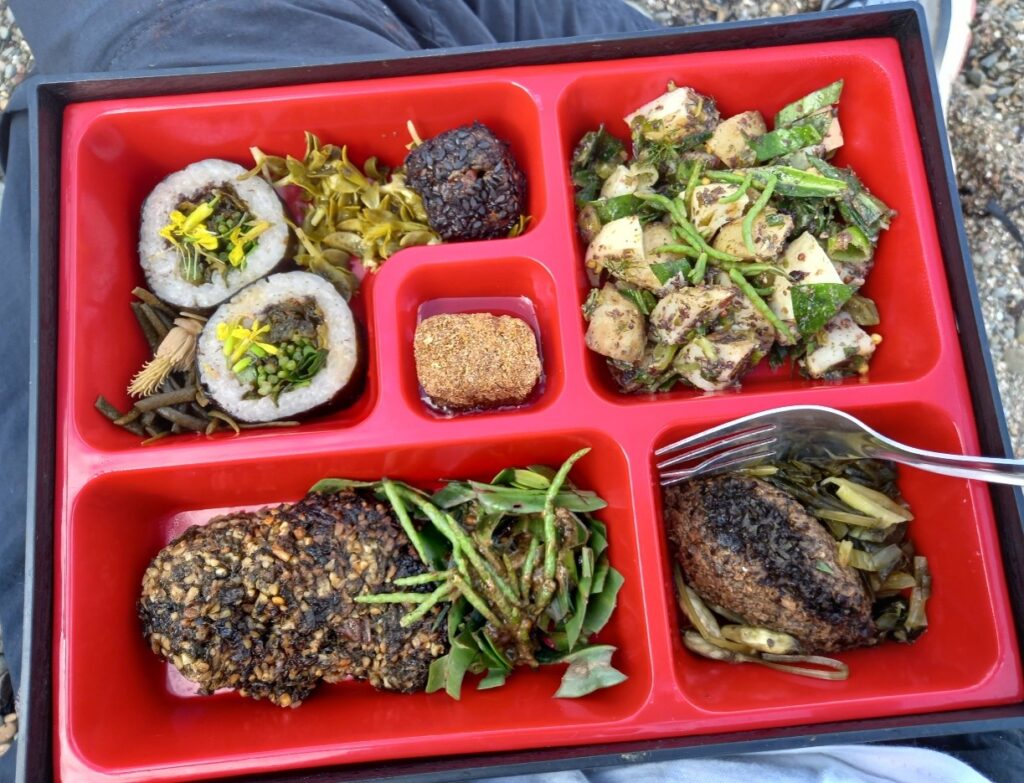
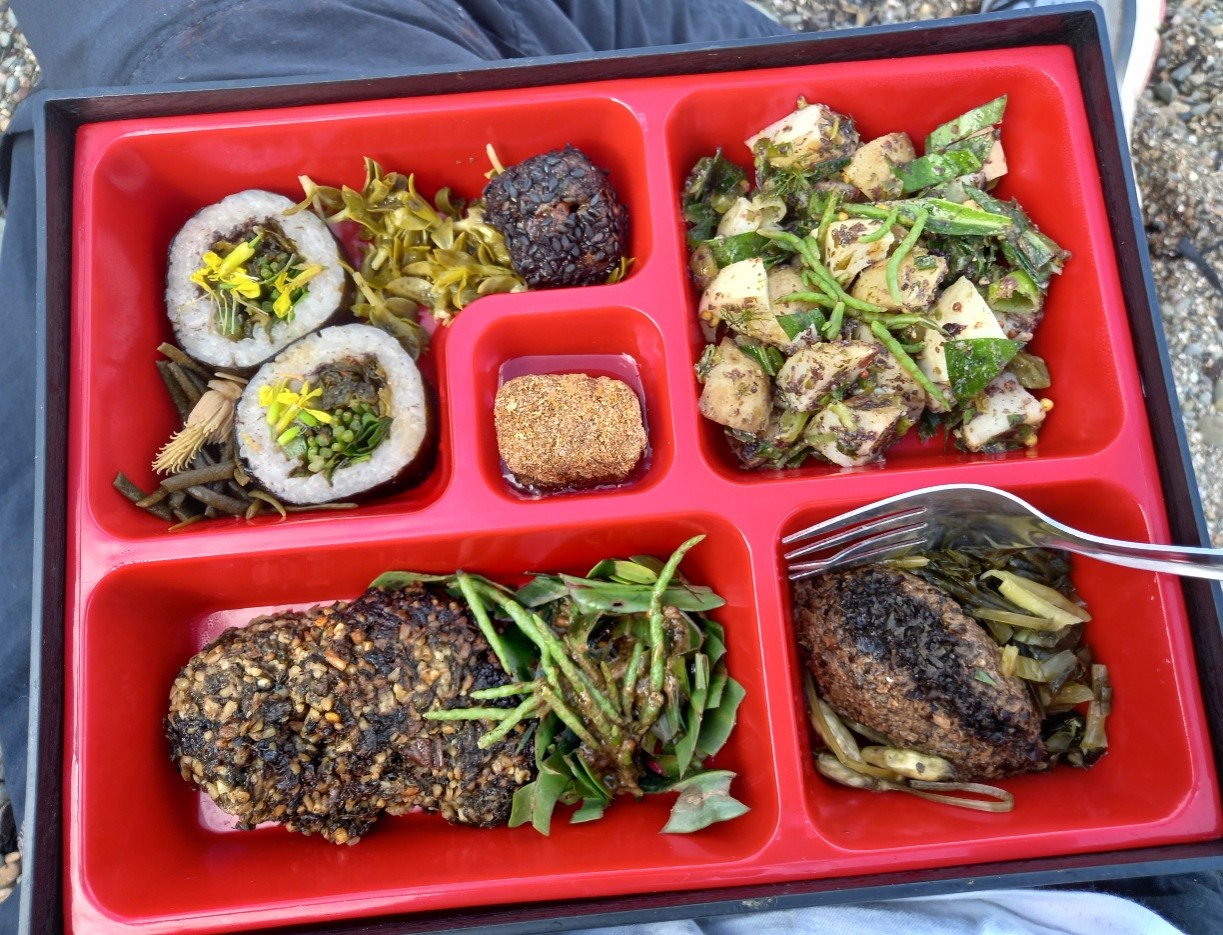
After a couple of hours identifying seaweeds, we all headed back to the car park where we were all given a bento box filled with foraged food inside (all linked to the things we had foraged during our walk). While we all enjoyed our bento boxes, we consolidated the knowledge we had learnt throughout the evening.
The second day followed a similar format except this time we were looking at coastal plants around Brighouse Bay. The weather was about as beautiful as the event before and we sampled plants across the bay and even into salt marsh. As well as sampling the plants we found on our walk, we were also taught a few poisonous plants to look out for that could be found in a coastal habitat.
I hope these events have inspired those who came and, for those who had never foraged before, that they were encouraged to take up foraging themselves and that they gained a greater appreciation for nature. Everyone walked away knowing a little more about Species on the Edge and the work they have been doing to protect some of our endangered species. I for one have learnt so much from this experience and would happily work with Galloway wild foods again.