By Abi Mordin, Programme Coordinator at Lochhill Agroecological Farm
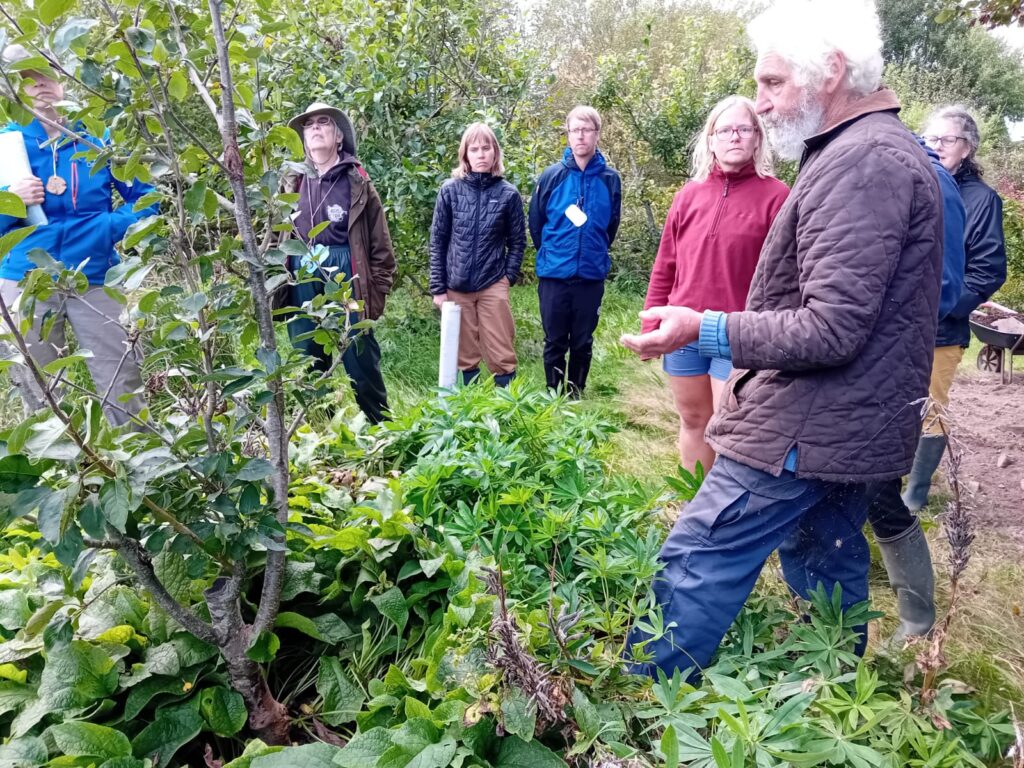
At Lochhill Agroecological Farm, near Crossmichael in Dumfries and Galloway, the working week doesn’t stop at growing food. This community farm takes an “enterprise stacking” approach – layering food production, skills-sharing and habitat for nature across the same ground – and thanks to funding from Species on the Edge, supported by The National Lottery Heritage Lottery Fund, this year that meant throwing the farm gates open for a whole series of workshops exploring the wild side of the holding.
Over the past few months, nearly 140 people have come through those gates to look more closely at the moths, lichens, dragonflies and wild plants that share the farm with the sheep, the veg beds and the fruit trees.
A farm full of small discoveries
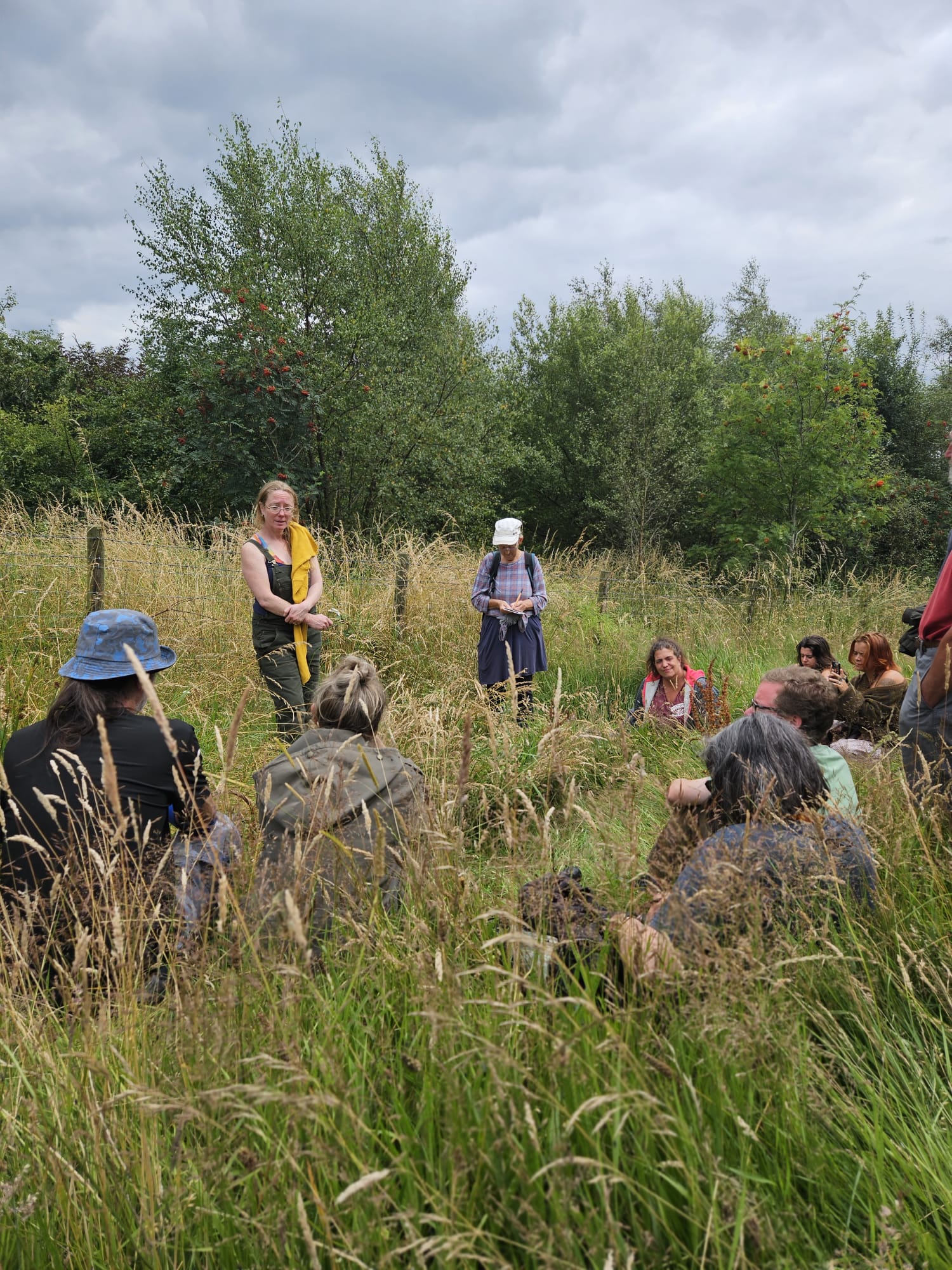
The series kicked off with Wild Food and Medicine, where 20 attendees foraged their way around the farm’s hedgerows and margins, learning to spot the edible and medicinal plants growing quietly underfoot – many of them the same “weeds” that get pulled out of vegetable beds without a second glance.
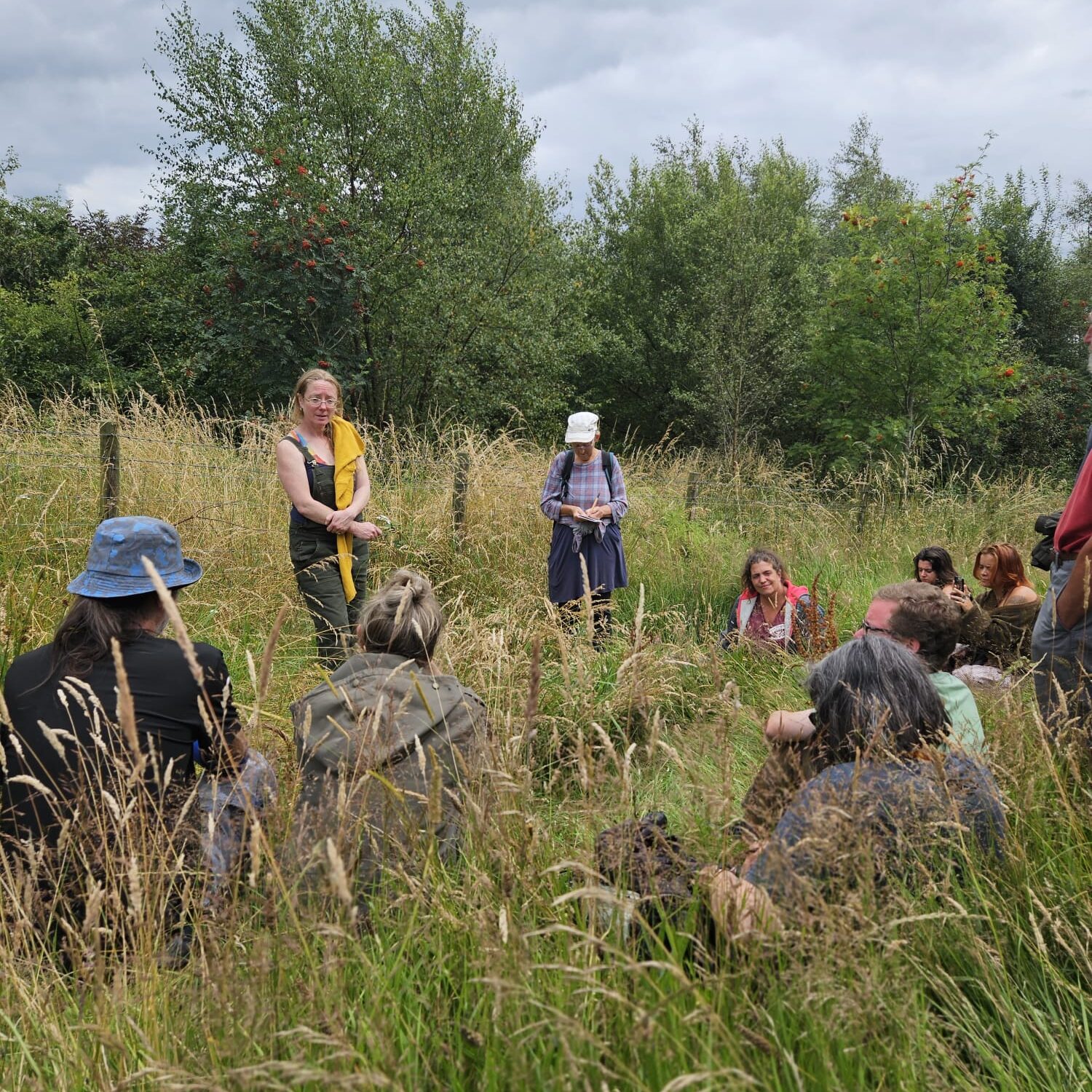
Marvellous Moths and Delightful Dragonflies turned attention to two of the farm’s less-noticed residents. Moth trapping revealed just how much is on the wing after dark even on a working farm, while a wander around Lochhill’s ponds and wetter margins gave 19 visitors a close-up look at dragonflies going about their business – a good reminder of how valuable even a small area of standing water can be for wildlife.
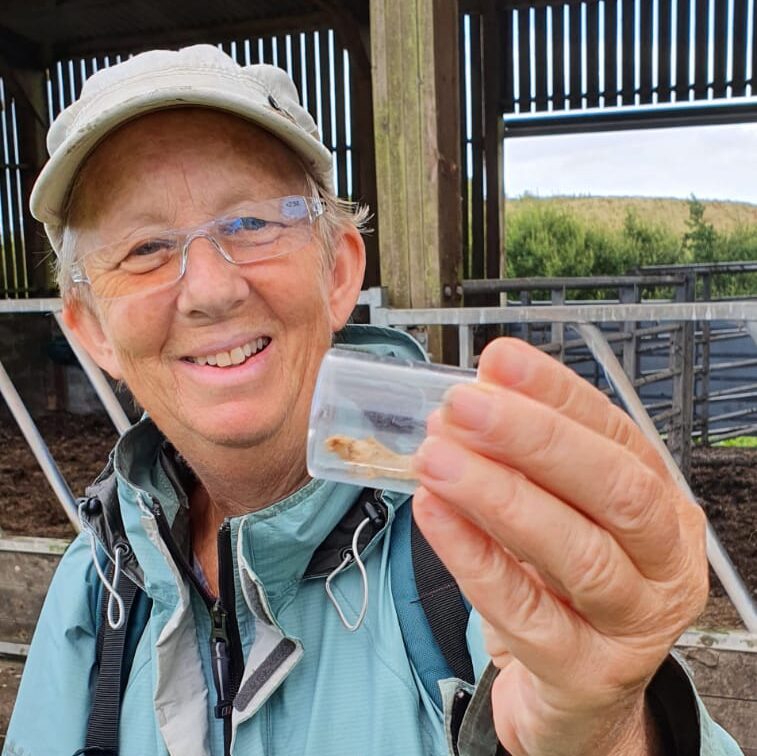
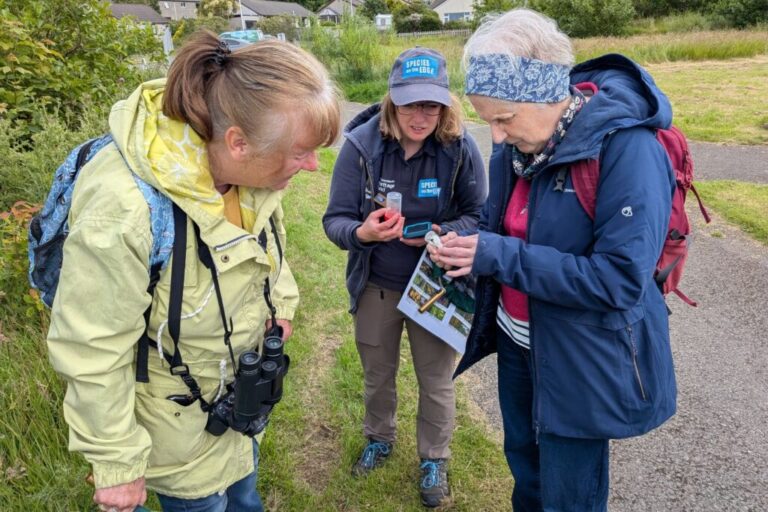
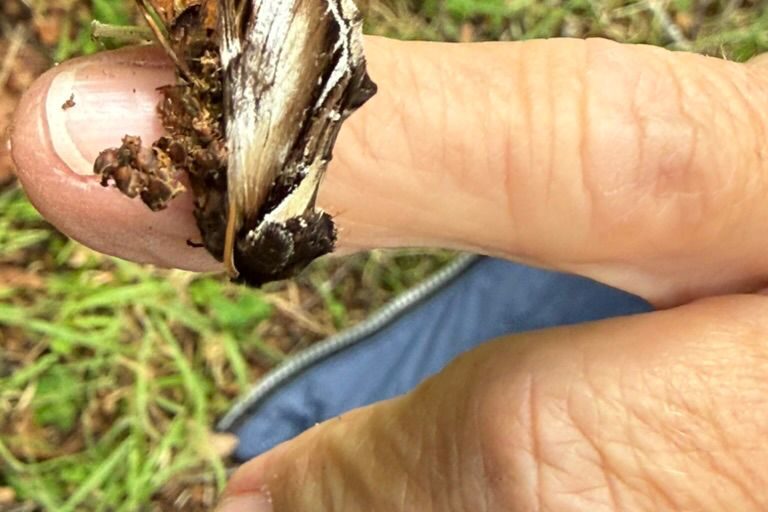
Love Your Lichens slowed things down further still, with 15 participants learning to read farm walls, fence posts and old trees for the lichen communities that quietly record decades of clean air and undisturbed habitat.
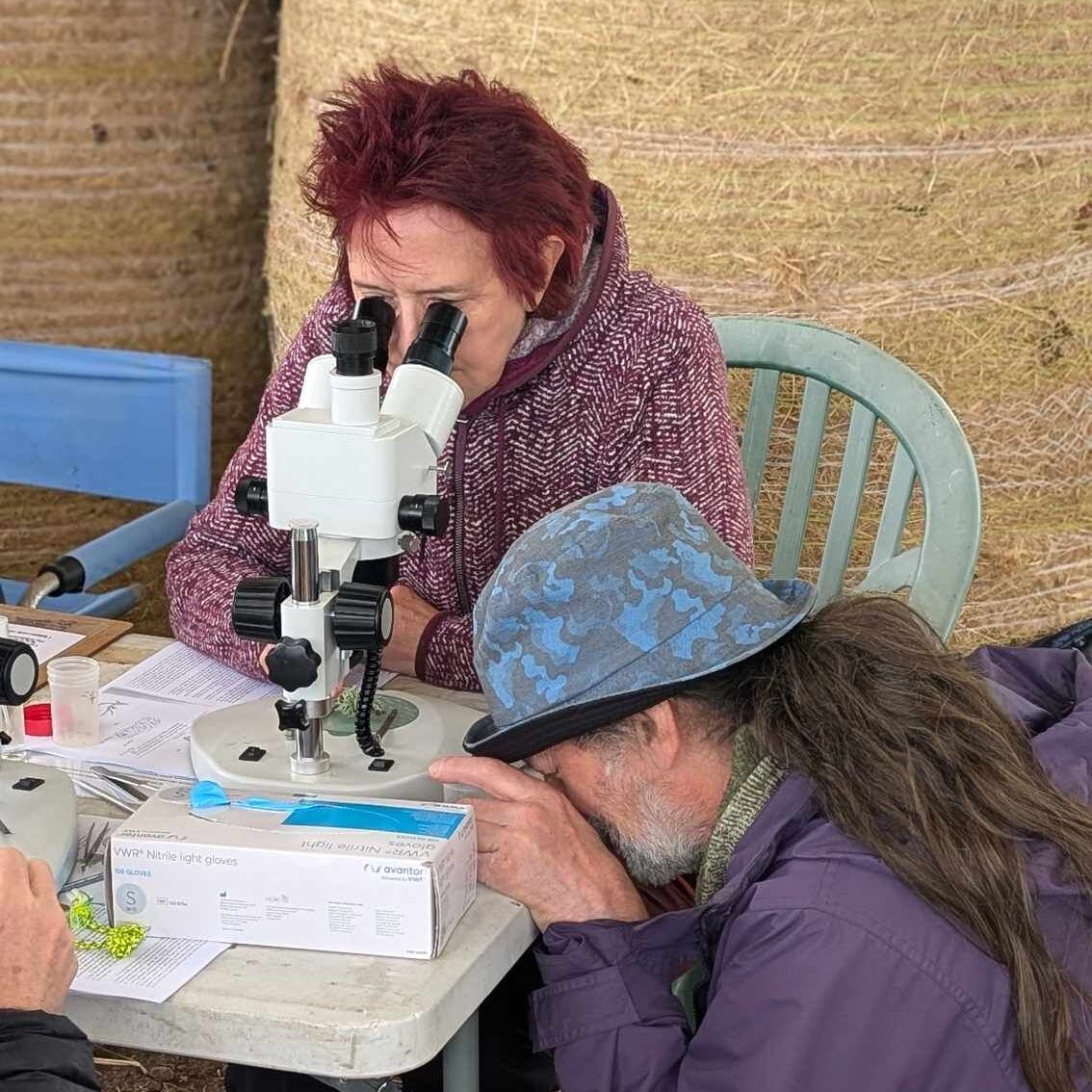
Bringing it all together, the farm’s Bioblitz and Farm and Nature Open Day – the biggest event of the series, with 30 attendees – gave people the chance to survey the whole holding at once, and to see how food production, hedgerows, wetland and woodland edge all knit together into one working, wildlife-rich landscape.
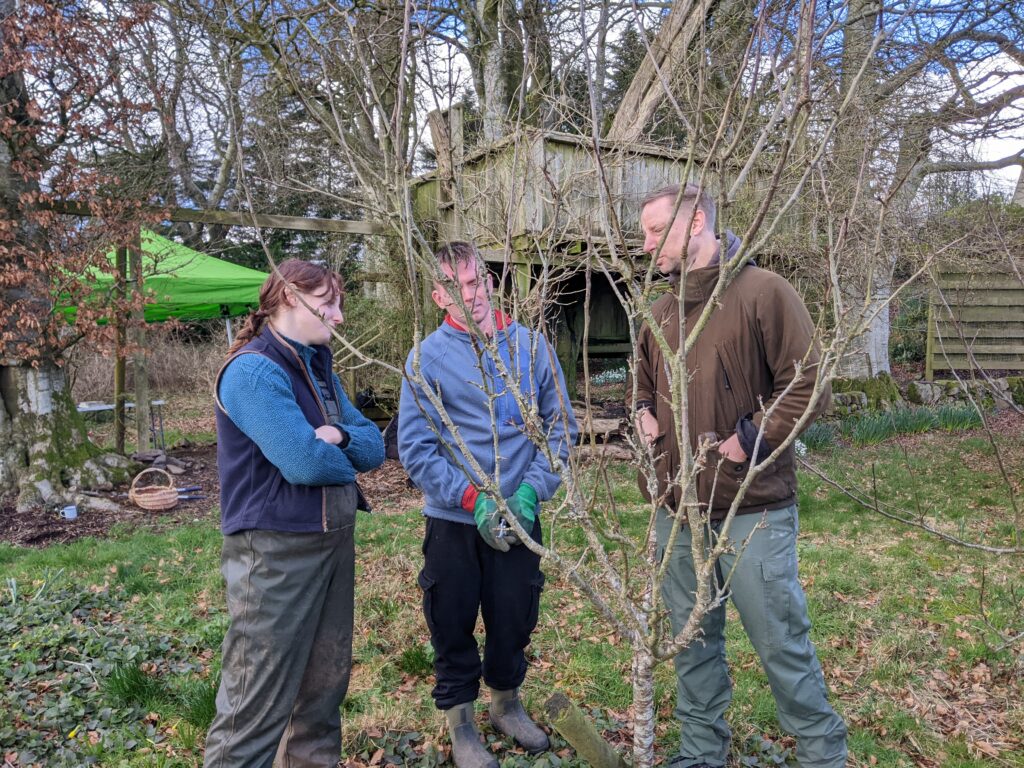
Not every session was about spotting species. Practical Pruning brought 13 people together to learn hands-on orchard skills, a reminder that looking after fruit trees well is itself a form of habitat management.
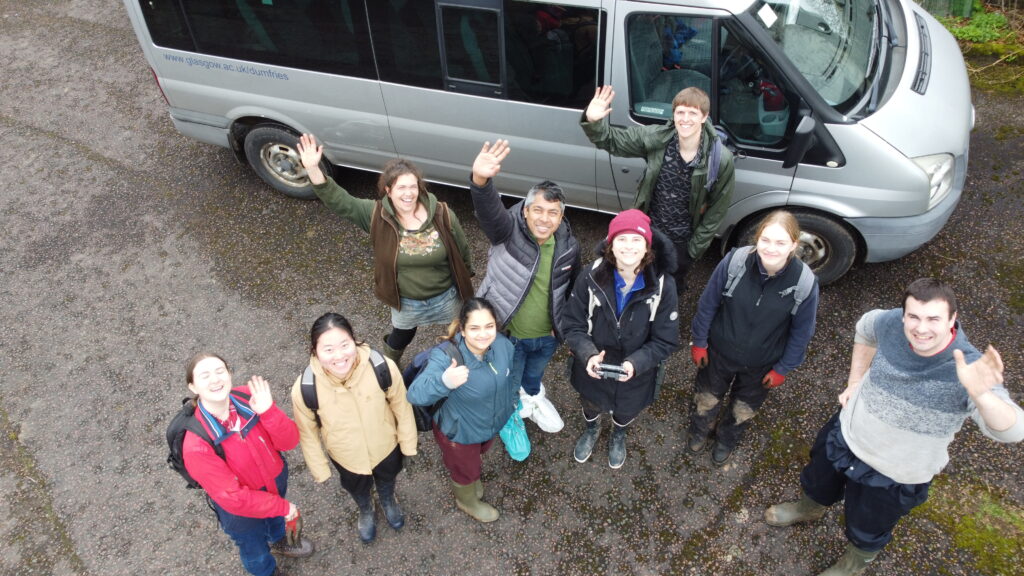
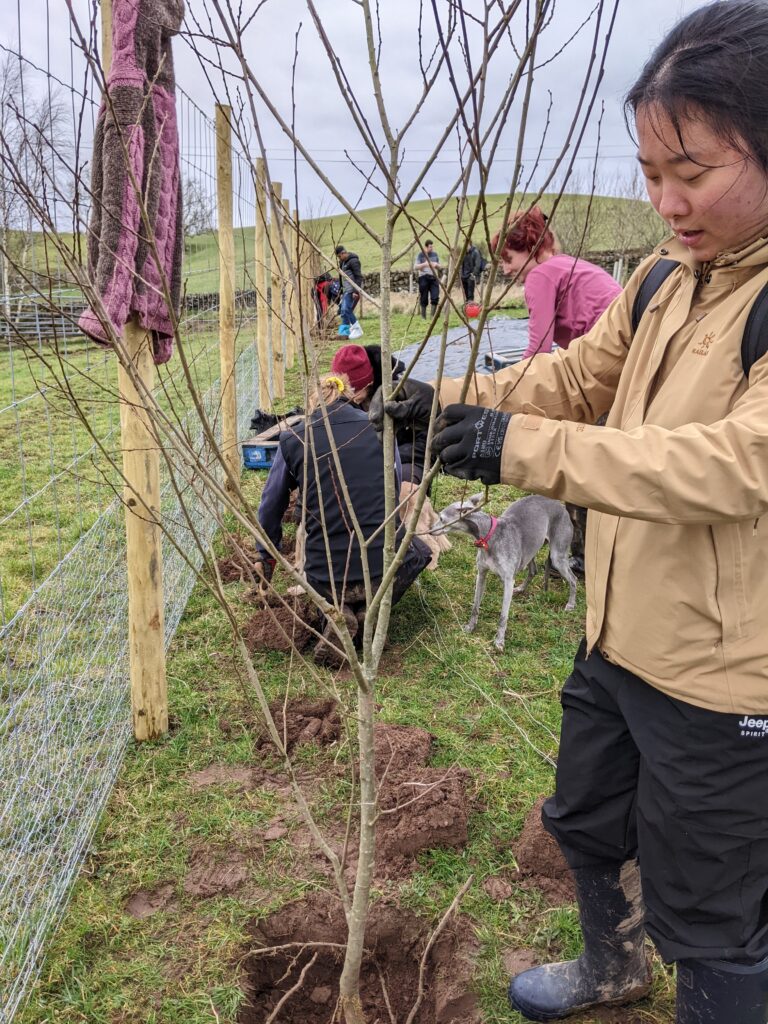
The series closed out with a visit from University of Glasgow student volunteers, who spent a day getting stuck into farm tasks and seeing agroecology in practice.
What people took away
The feedback from participants was a highlight in itself. People appreciated the depth of expert knowledge on offer, and the effort made to keep sessions accessible. Others valued how little you needed to already know: as one attendee put it, sessions looked at “common plants which we all have access to,” led by a knowledgeable, friendly and inclusive facilitator.
Several people said the sessions had already changed how they look at the world around them – from paying closer attention to what lives in water margins, to reviving a garden wildlife pond, to simply, as one participant put it, looking at wild areas “with new eyes.”
What’s next
Lochhill has new funding to run further workshops beyond the original series, so this isn’t the last you’ll hear from the farm’s learning and events programme. Click through to Lochhill’s website to find out more: www.lochhillagroecological.farm/events/
None of this would have been possible without Nature for All funding: Species on the Edge’s small grants programme, made possible by National Lottery players through The National Lottery Heritage Lottery Fund. It’s exactly the kind of support that lets small, community-scale places like Lochhill open their doors and turn everyday farm life into a chance for people to connect with nature.
If this has whistled up an interest in what’s living on your own land, hedgerow or garden margin, Lochhill’s approach is a good reminder that you don’t need a nature reserve to start looking closely – just a farm, a good facilitator, and a willingness to slow down and pay attention.
Follow Lochhill on socials: