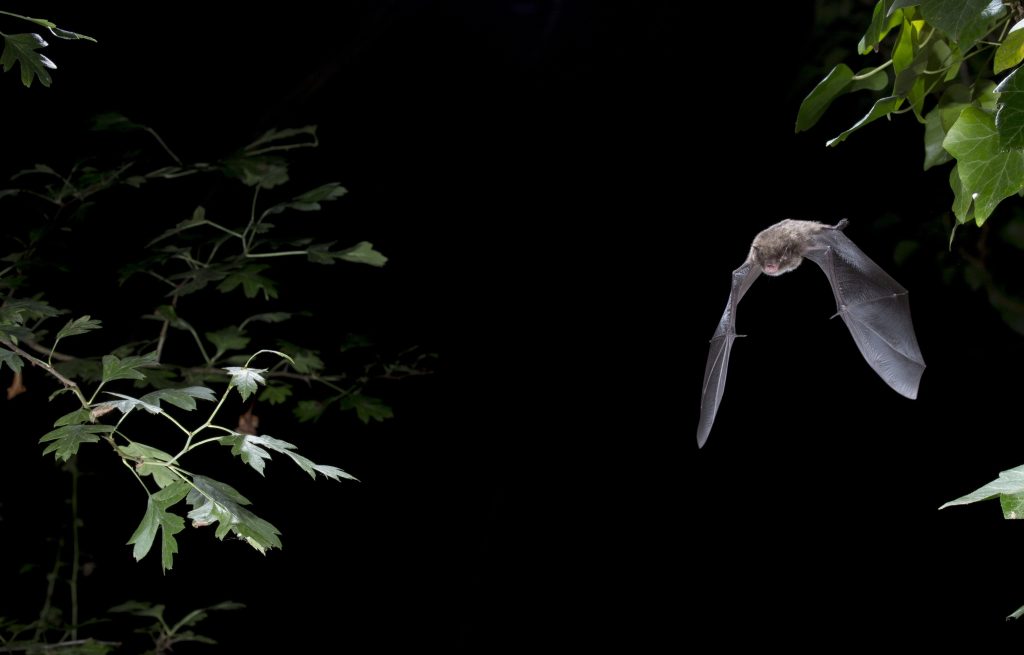
It’s that time of year when bats are particularly visible across Scotland. As the long summer evenings draw in, you might catch a glimpse of these remarkable creatures darting through the dusk, hunting insects with extraordinary precision. If you’ve ever been curious about the bats in your area, there’s never been a better moment to get involved.
Across Scotland’s coasts and islands, a network of dedicated bat groups is working hard to understand, protect and celebrate these fascinating animals. Below, we hear from people involved in bat conservation across three areas in Scotland – the Solway Coast, the Outer Hebrides, and Orkney. They tell us what they’re doing, why they’re doing it, and the impact they’re having. But first – why do bats need our help, and why do we think you should get involved?
Why it matters – and how you can help
Bat populations across the UK have declined considerably over the last century, driven largely by building development and changes in land use. For Scotland’s island populations, the challenges are even greater: isolated populations find it harder to recover if numbers drop, harsh weather takes its toll, and limited habitats – particularly on islands with fewer trees – restrict where bats can live.
Here at Species on the Edge, we’re working to support four Scottish bat species: common pipistrelle, soprano pipistrelle, Daubenton’s bat, and the brown long-eared bat. But there’s a significant knowledge gap. Bats across Scotland’s coasts and islands are hugely under-recorded. We don’t yet know enough about where they live, how populations are changing, or what the main threats are – and that makes it hard to protect them effectively.
That’s where you come in.
As the stories below will show, joining a local bat group opens up opportunities to get outdoors, learn new skills, meet like-minded people, and contribute directly to conservation that genuinely matters. You don’t need any prior experience – just curiosity and enthusiasm.
But you don’t need to take our word for it – let’s hear from some of those getting stuck in for their local bats.
Dumfries and Galloway: Scotland’s bat diversity hotspot
If you’re a bat enthusiast, Dumfries and Galloway is the place to be. The region is known to host the highest diversity of bats anywhere in Scotland, with at least nine species recorded – thanks to its mild climate and varied habitats.
The region’s bat group – the Dumfries and Galloway Bat Group – has stepped up to the task of supporting, caring for, and learning more about its local bat populations. One of the group’s main activities is maintaining and checking over 100 bat boxes each year across the region. These boxes are vital; Dumfries and Galloway has one of the lowest percentages of native broadleaved woodland in the UK, meaning there are very few old veteran trees with the natural splits and cracks that bats would typically call home. Many old buildings and barns that once sheltered bats are also being restored or demolished.
Paul Collin, who has been volunteering with the group for over 15 years and leads the bat box checks, has seen both encouraging signs and causes for concern:
“Over recent years we have seen significant increases in both Natterer’s and Leisler’s bats using boxes but sadly a decline in a number of other species once considered common. Monitoring boxes allows us to see what is happening to local bat populations and allows trainees to gain valuable experience of bats in the hands, under licenced guidance.”
Thanks to funding from Species on the Edge, the group has recently been able to purchase a new suite of bat boxes to deploy across the county. Paul said: “An injection of new boxes will go some way to hopefully reverse the downward trend in bat numbers.”
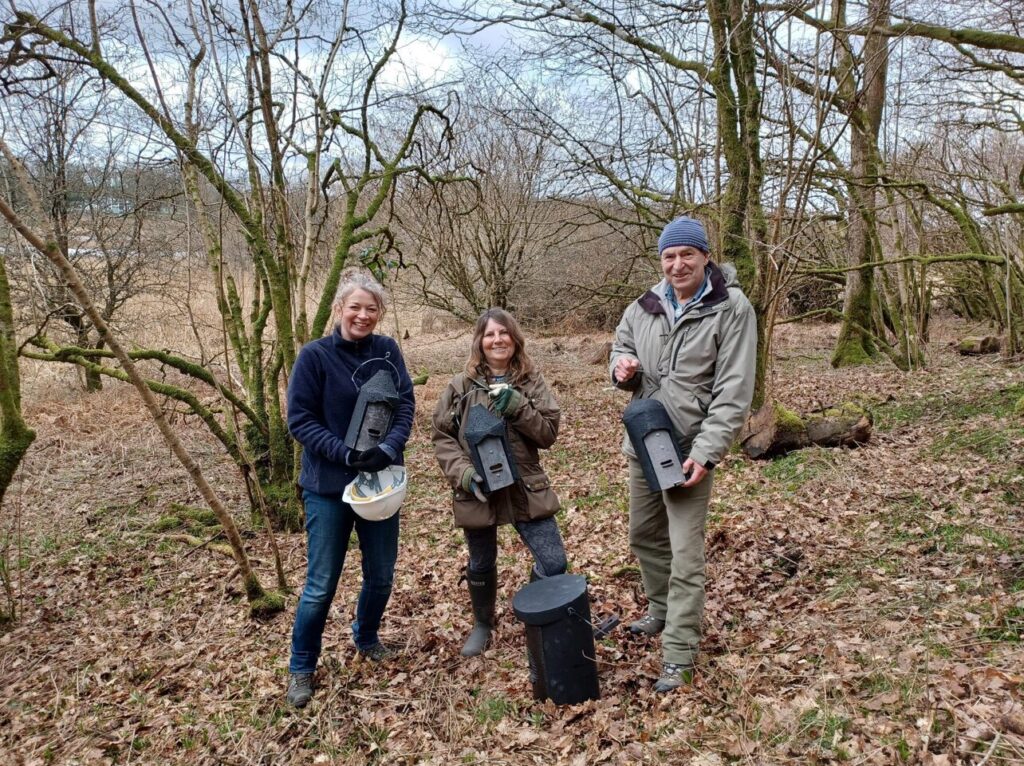
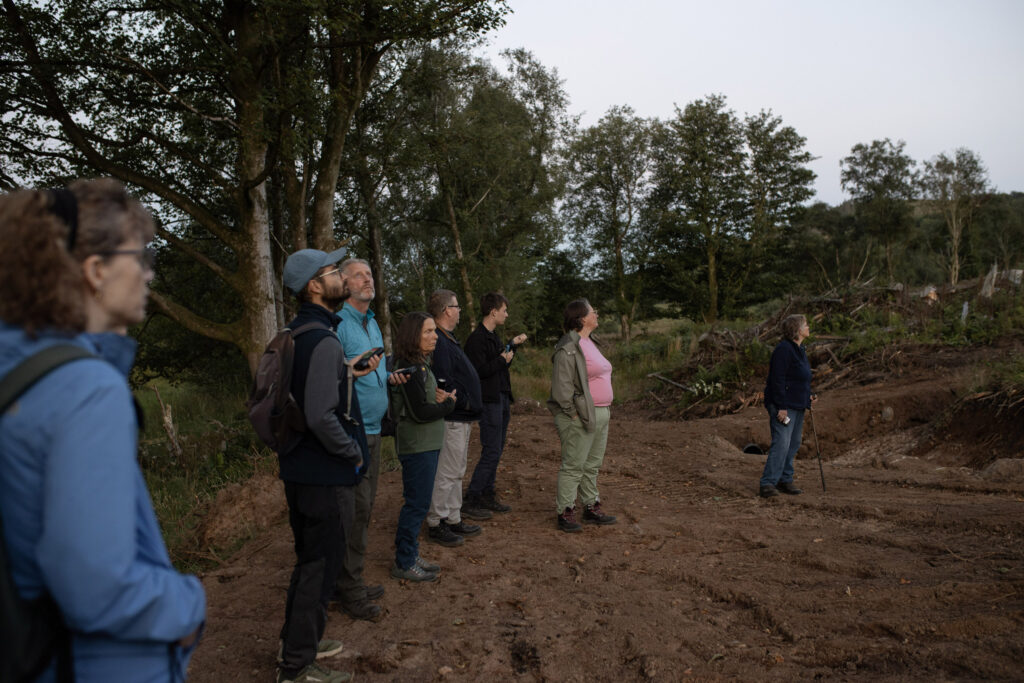
The group’s activity is very varied, including survey and monitoring, bat care and a range of public engagement. In recent years the group has gradually been increasing in membership and training up new members. Mary Smith is a newer and very active member of the group. She said:
“I joined D&G Bat Group hoping to learn more about bats and get involved in bat work – having licenced bat workers in the group who are keen to support others has opened up a lot of opportunities. Over the past year I’ve been able to take part in bat box checks, a range of different surveys and today I have just returned from a chance to accompany a hibernation survey in a disused mine. I’ve enjoyed every minute of all these activities, and being able to see bats close up is very special.”
If you’re interested in learning more about the Dumfries and Galloway Bat Group, contact: enquiries@dgbatgroup.org.uk
The Outer Hebrides: Putting island bats on the map
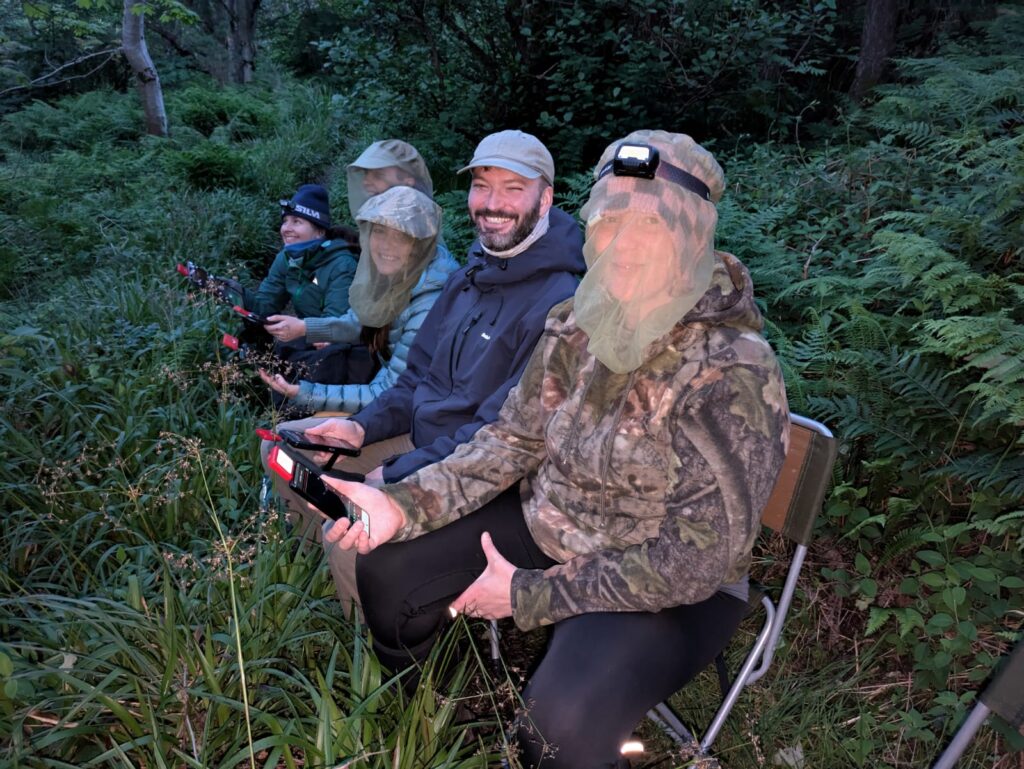
At the western edge of Scotland’s bat geography, something exciting is taking shape in the Outer Hebrides. Angus, Species on the Edge Youth Panellist for the Outer Hebrides, spotted a gap and decided to do something about it. Angus said:
“In 2023, I saw an opportunity to help put our local bat populations on the map. With support from the Species on the Edge team and Bat Conservation Trust, I established the first Outer Hebrides Bat Group. I had two main goals in mind: raise awareness of the amazing bats living here at the very edge of their range and address the gap in our understanding of our local bat populations.”
Until recently, there had been very little structured recording or citizen science relating to bats in the Outer Hebrides. Plenty of people had anecdotal stories of bats spotted in remote corners of the islands, but without formally verified data it’s difficult to drive meaningful conservation action. The new group is changing that, deploying static detectors on over a dozen crofts right across the archipelago, hosting bat walks, and running a “get to know your local bats” workshop.
And if you need a reason to care about bats in the Outer Hebrides, Angus has a compelling one ready: bats can eat up to 3,000 midges in one night!
If you’re interested in joining the Outer Hebrides Bat group, email: outerhebridesbatgroup@gmail.com.
Orkney: Building a legacy for island bats

In Orkney, the Species on the Edge team has been on a mission – not just to survey the islands’ mysterious and under-recorded bat populations, but to build the foundations for lasting, community-led bat monitoring across the islands.
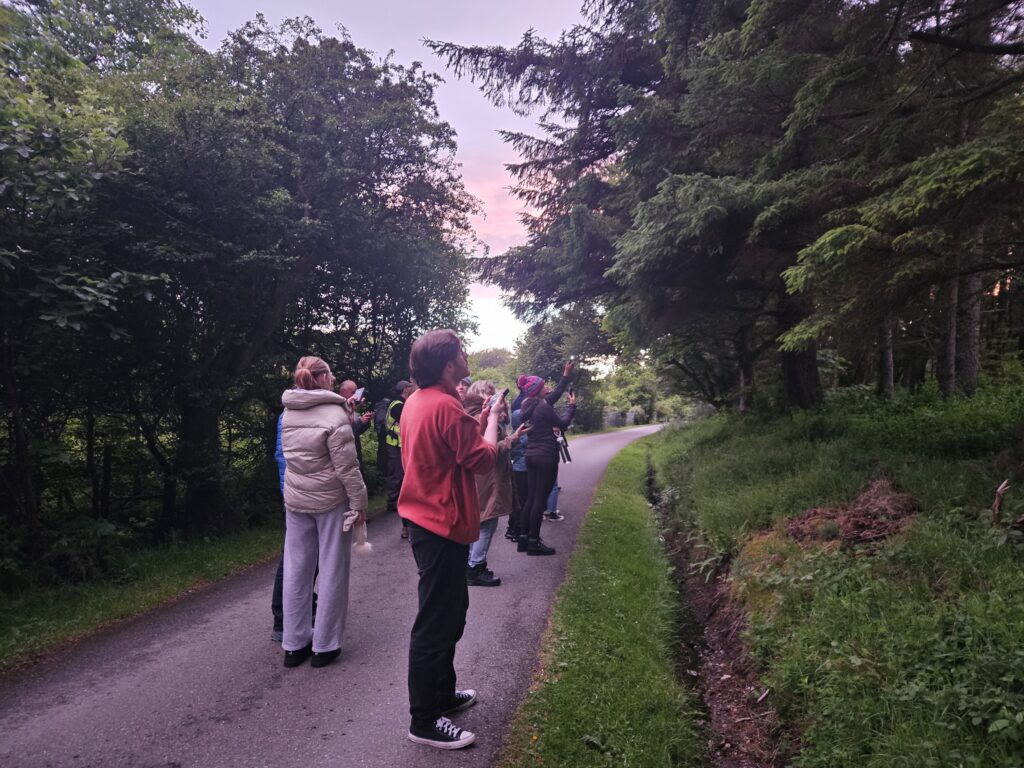
Over the past few years, the Species on the Edge Orkney team – Helen and Sam – have been leading bat surveys, bat walks, events, and talks, generating a huge increase in bat sightings recorded across Orkney. Work has taken place on Mainland, Rousay, Eday, Flotta, North Ronaldsay and Stronsay, with further surveys planned for Hoy and Shapinsay.
But perhaps the most significant ambition is what comes next. Helen said:
“We hope that by the end of our final year of Species on the Edge in Orkney – 2026 – we will have supported the setup of two or three new bat groups led by local people to keep monitoring bats in Orkney for the future.”
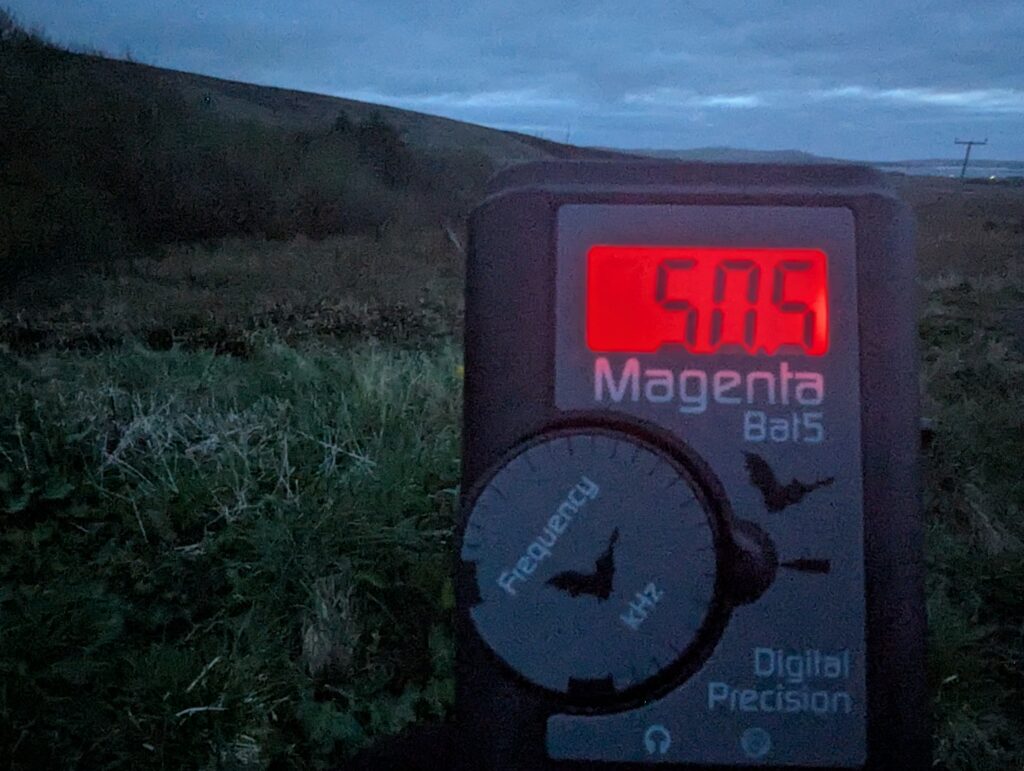
To make sure that work continues, Species on the Edge has funded two Echotouch Bat Detectors – devices that attach to your phone and give an estimated identification of the species you’re recording – alongside two audiomoths – bat sound recording devices. These will be left with the Orkney Bat Recorder and new local groups.
If you’re interested in learning more about bats in Orkney and how you can get involved, contact: helen.cromarty@rspb.org.uk
Other ways you can help
In addition to joining a bat group, there are other ways you can make a difference for your local bats. Get involved in the Bat Conservation Trust’s National Bat Monitoring Programme, which offers a range of surveys to suit all levels of experience. Find out more here: National Bat Monitoring Programme | Bat Conservation Trust.
If you have bats in your home and they’re causing a health and safety concern, you can contact the Bats in Houses helpline for free advice on 01463 725 165 or at batsinhouses@nature.scot. Remember — bats and their roosts are legally protected, so it’s important to seek advice before carrying out any building work that might affect them.