Help Nature Your Way this autumn 🍂
There’s a chill in the air, we’re seeing the first hints of orange on our trees, and our brambles bushes are laden with plump, juicy berries – autumn is steadily setting in.
With autumn comes its own opportunities for us to support the wildlife on our doorstep. From gardening, to citizen science projects, to awareness raising, to cosying up with a nice cup of tea and an online talk, there are so many different ways you can help your local ‘species on the edge’ this autumn. Let’s take a look:
Get hands-on
Plant and grow native trees
Skill level: Basic gardening skills
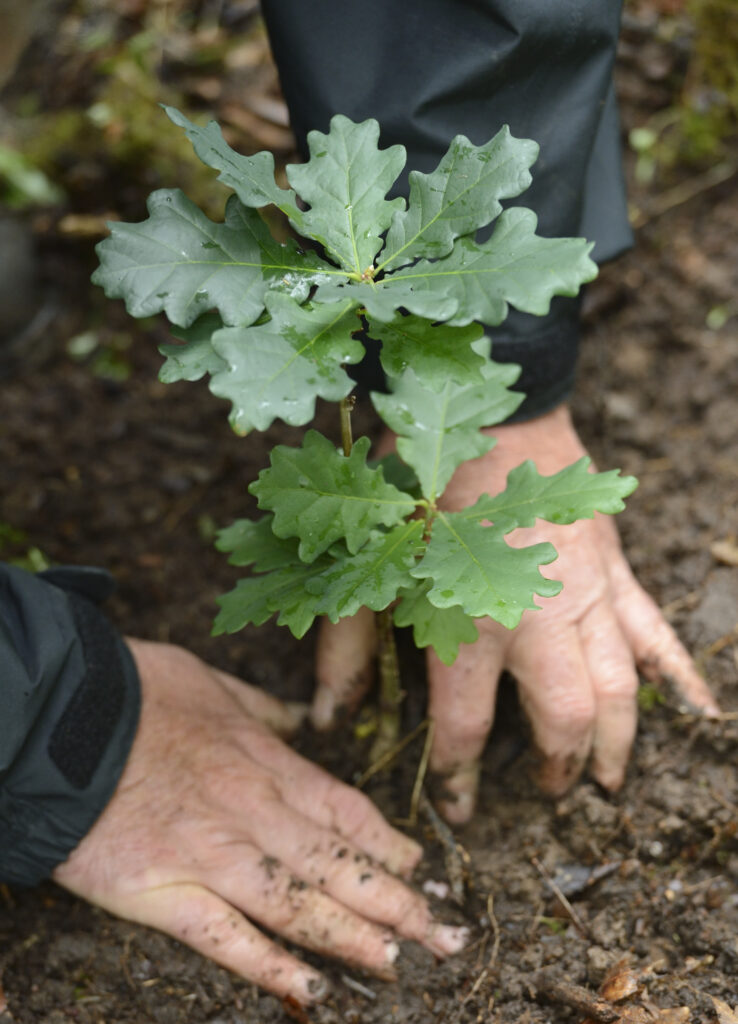
Autumn is the perfect time to plant trees and shrubs in your garden. Native species like holly, hawthorn and rowan are all suited to small spaces and provide vital food and shelter for birds, insects and small mammals through the colder months. Depending on what you pick, they can also add a fantastic splash of colour to your garden, whether that’s fiery autumn leaves, or blooming blossom in the springtime.
Learn more here: Grow a tree | RSPB
Or, why not collect seeds yourself and spend the next few months growing them into saplings to then plant out in spring! Collect seeds from under trees – acorns, hazelnuts, beech mast (the nuts from a beach tree) and wild cherry stones all work well. Sow them in yogurt pots filled with a mix of potting compost and sand, then store in a garage or shed until spring!
Build a bat box
Estimated time: 3 – 4 hours
Skill level: More advanced DIY skills required
Build a bat box and provide your local bats with a safe place to roost, raise their pups and sleep during the day. Find the instructions here: Build a bat box. Or, watch RSPB’s tutorial on YouTube.
Wildlife-friendly gardening
Here’s some gardening tips for autumn – to benefit wildlife now and later!
- Remove dead flower heads from your existing plants so they can keep blooming
- Collect seeds so you can grow more next year for free!
- Allow vegetation to dieback naturally and leave twigs and leaves for insects to shelter.
- Follow Bumblebee Conservation Trust’s monthly planting guides and plant pollinator-friendly flowers:
- September:
- Winter flowering heather: provides essential food for winter-active bumblebees and other pollinators. It will also add a splash of colour to your outdoors space! Flowers December – April.
- Stinking hellebore: provides pollinators a nice winter/early spring food source. Flowers December – April.
- Yellow rattle: also known as the meadow-maker, this plant feeds off vigorous grasses, eventually allowing more delicate, traditional species of wildflower to push their way through. Flowers April – July.
- Pot marigold: self-seeds readily, so will likely turn up in the same spot year after year. It’s also a herb that can be eaten by humans (goes great in a salad!). Flowers May – October
- October
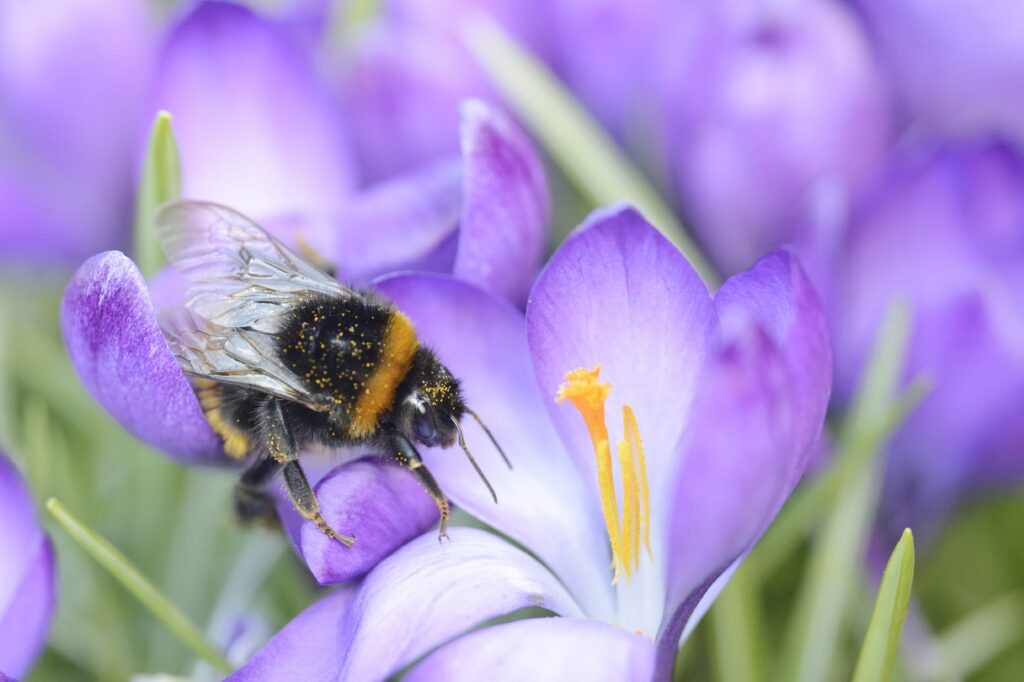
- Crocus: carpets any garden or pot with colour, providing lots of food for queen bumblebees emerging from hibernation! Flowers December – March
- Winter honeysuckle: loved by winter-active bumblebees and has a lovely scent. Flowers November – February
- Pussy willow: bumblebee superfood and easy to grow year round – but autumn is the perfect time! Flowers February – March
- Mahonia: Bright yellow flowers are perfect for winter-active bumblebees. Flowers November – March.
- September:
Join us for a volunteer day!
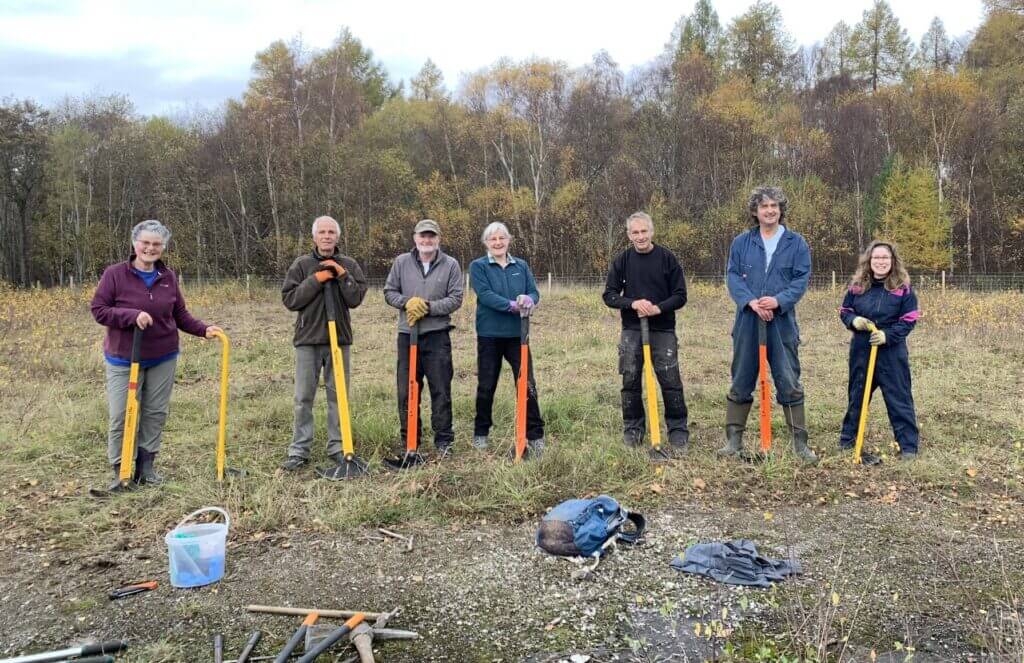
During autumn, we’ll be carrying on our volunteer days such as habitat management work parties. Check out our volunteer page to see what we’ve got on near you.
Look out for your local ‘species on the edge’
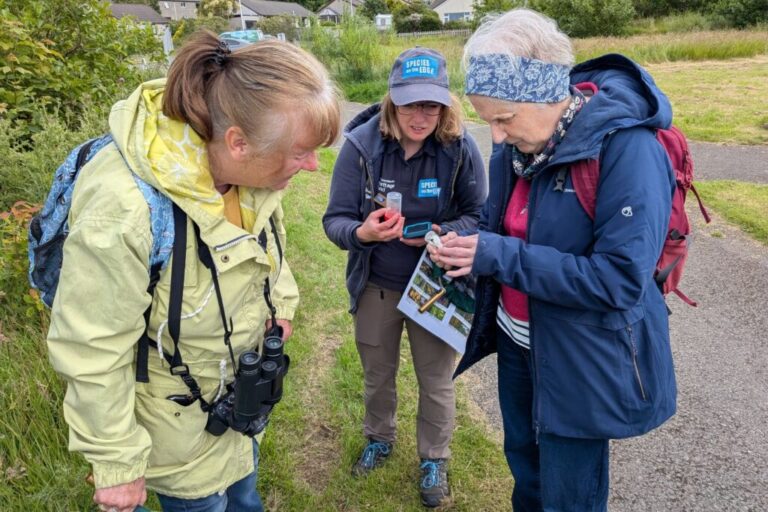
One great way you can help your local ‘species on the edge’ is by helping us collect data on them. With this data, we can learn more about how they are faring and what we can do to help them.
Species on the Edge citizen science opportunities
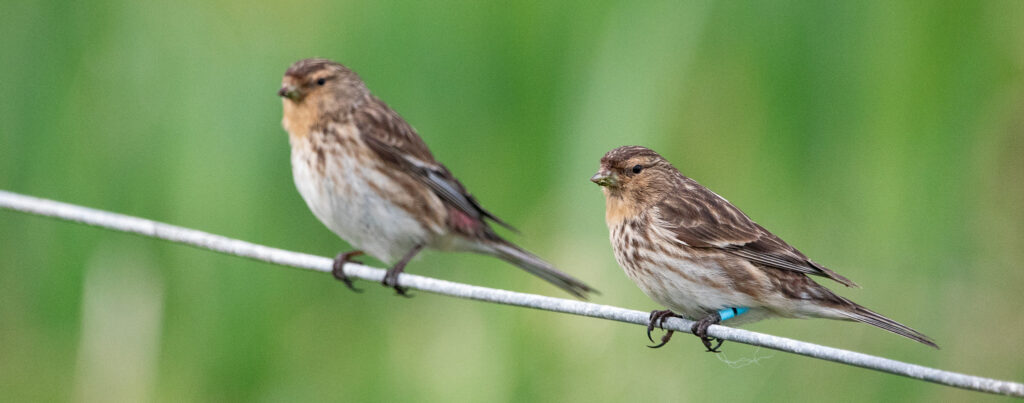
Have you seen a ringed Twite?
Where: Orkney, Shetland, North Coast
Help us learn more about Scotland’s northerly Twite populations. If you see any ringed Twites, please email: kevin.kelly@rspb.org.uk. Please include the date of the sighting, the location and any pictures.
Help us learn more about the Bordered Brown Lacewing!
Where: most likely East Coast and North Coast, but could be anywhere where there’s wood sage.
We’re asking the Scottish public to look for the Bordered Brown Lacewing and to report any sightings of it or its eggs to us. The Bordered Brown Lacewing is a nationally rare species in the UK and is only known from a small number of locations in Scotland. We want to find out more about it, including if there may be more Bordered Brown Lacewing populations out there that we haven’t found yet. Joing the challenge, and help us collect up 200 hours of volunteering for the Bordered Brown Lacewing!

Bugs Matter
Where: all areas
There’s still time to take part in Buglife’s Bugs Matter citizen science survey – counting how many bug splats are on your car number plate after a journey! The survey is simple: clean the number plate before making your journey in a vehicle; when you reach your destination, count the number of bug splats across your entire number plate; use the “Virtual Splatometer” within the free Bugs Matter App to get the best photograph possible; then submit your photo and details via the app.
Grow your nature-knowledge
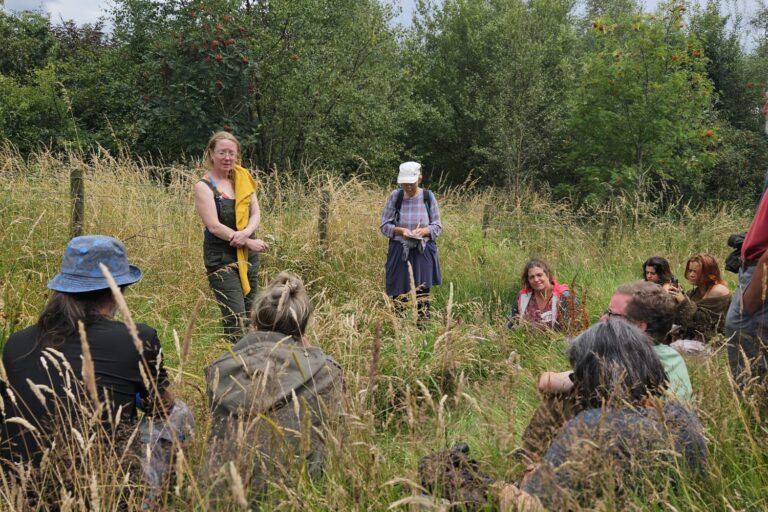
Coorie doon with a cup of tea and a Species on the Edge online talk.
Spread the word by getting creative
A great way you can help your local ‘species on the edge’ is by raising awareness of them. Spread the word of our amazing, yet struggling, wildlife to your kids, family, friends and beyond! And what better way to raise awareness than through getting creative. Here’s some suggestions.
Write a song or poem
Raise awareness of our amazing species on the edge through the written – or sung – word!
Here’s some fantastic Orcadian species on the edge-inspired haikus written by the Wirdsmit writing group.


Create some art
Get inspired by your local species on the edge and create some art.
Paint, draw, model, or even create a stained glass piece of art depicting your local species on the edge! Then, share it with others! Share it on social media, at an exhibition, or send it to us and we can share it for you: sote@nature.scot. And remember to put it on our Help Nature Your Way map!


Get crafty
Why not make your own Species on the Edge mask? We have bat masks, butterfly masks, plant masks, and bee masks! So much choice!

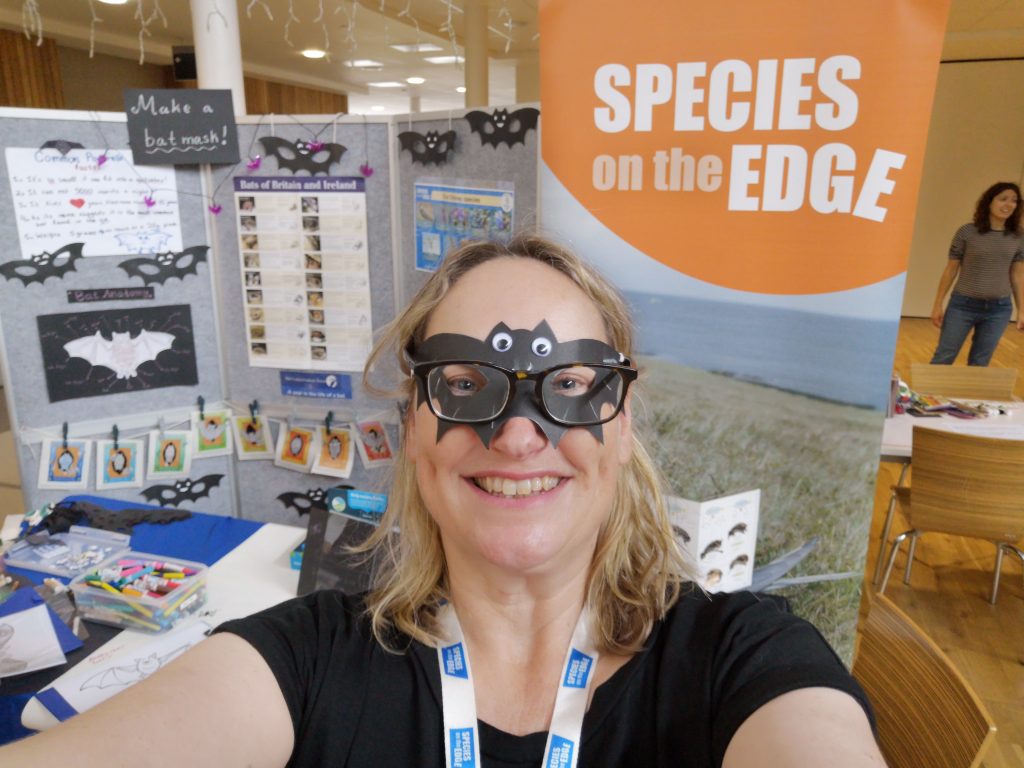
Or, make a bat using your own handprints!
Make some wild art
Use fallen leaves, seeds, seaweed, shells and other natural found items to make you own piece of Wild Art.


Embark on a bigger project with friends or your local community group
Spread awareness of your local species on the edge with your friends or local community group through a group project! Them, show it off, and spread the word even further! Two birds with one stone! Or a nicer, more nature-friendly saying…
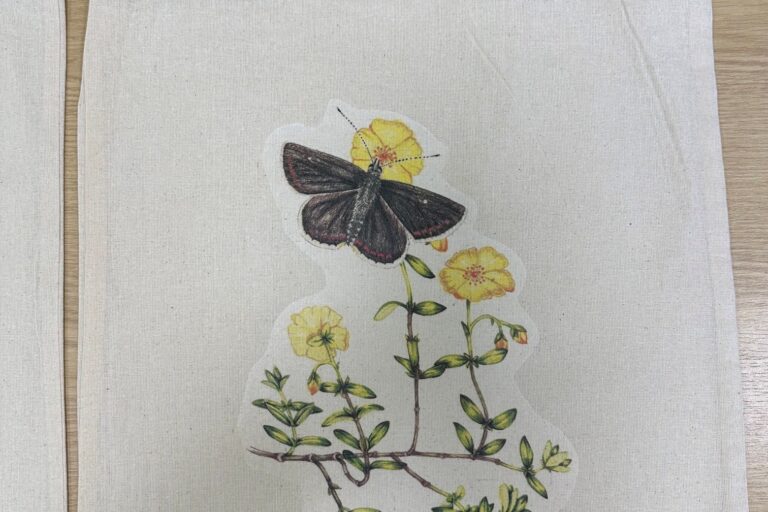
Here’s a fantastic tapestry the Sutherland Stitchers made of their East Coast species on the edge.


Take a photo
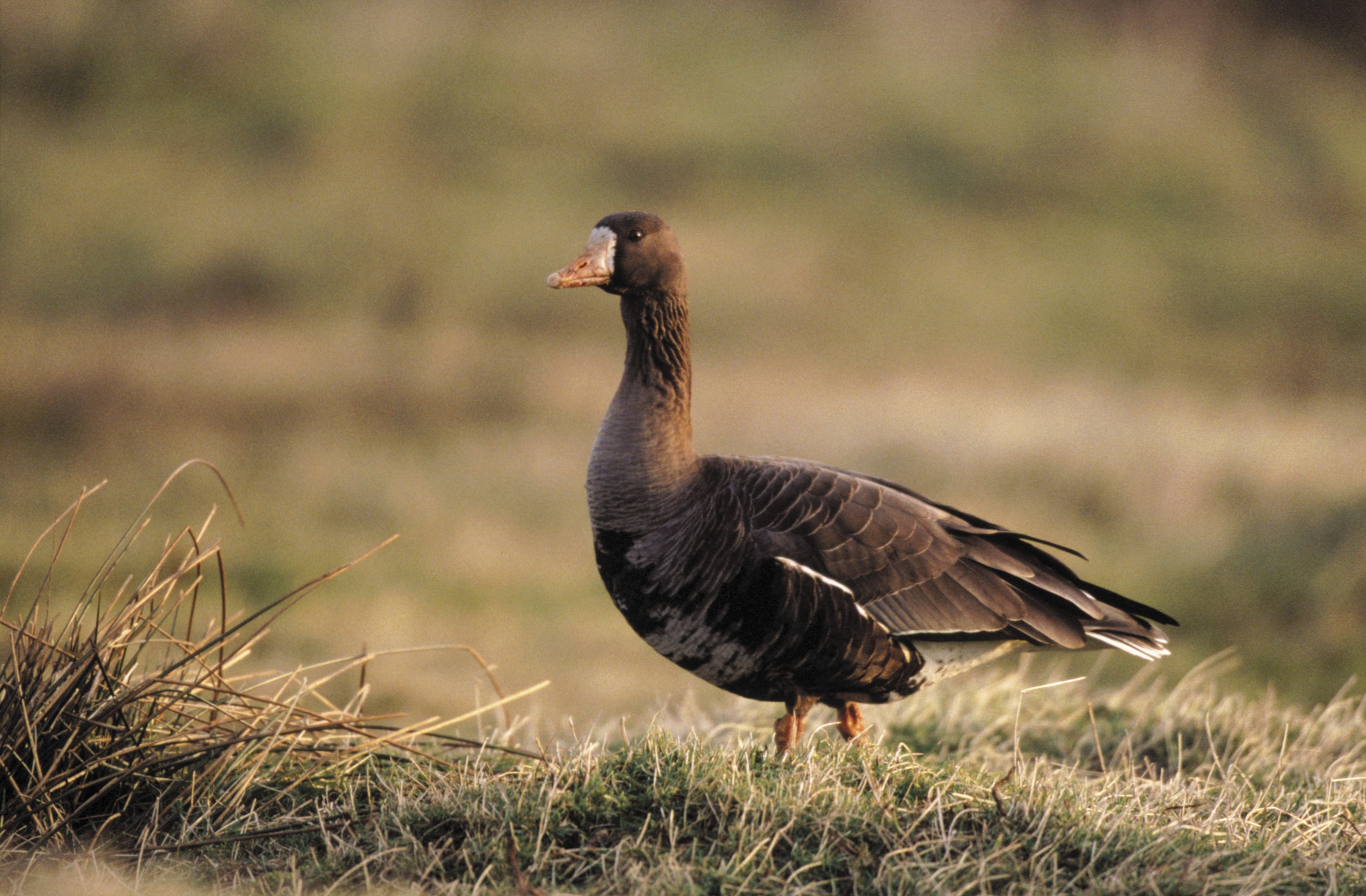
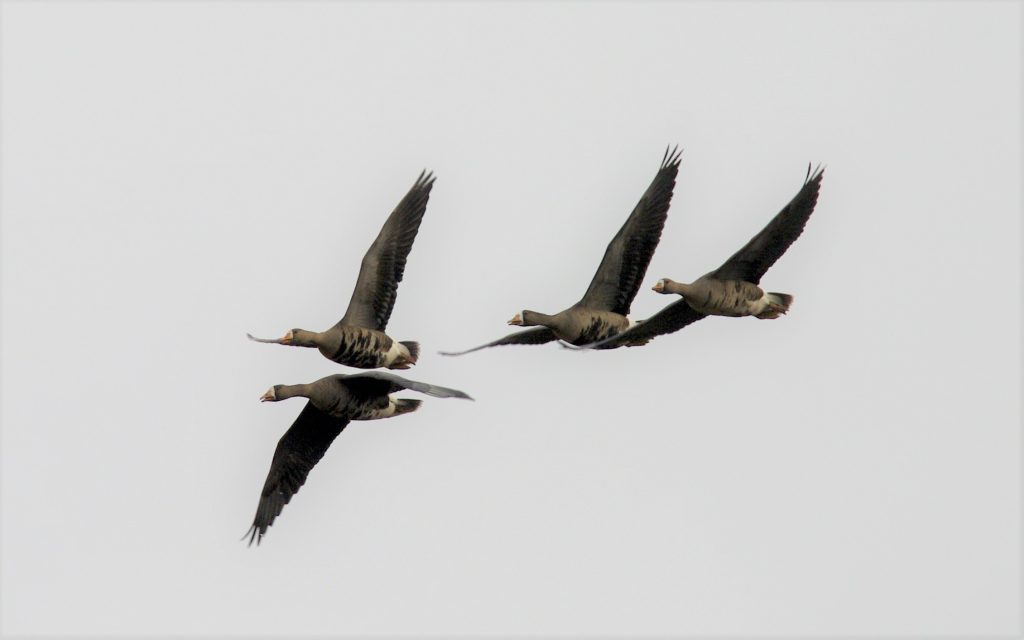
Try your hand at some nature photography and take a photo of a species on the edge, for example one of our autumn/winter visitors – the Greenland White-fronted Goose. Then, share it on social media, at an exhibition, or send it to us and we can share it for you: sote@nature.scot. And remember to put it on our Help Nature Your Way map!
Remember to pin your nature-friendly activity to our map!
Once you’ve helped nature your way, add your activity to the #HelpNatureYourWay Map. Show what you’re doing to make a difference for nature in your local area this autumn – and inspire others to join in too!
You can explore even more ways to #HelpNatureYourWay in our Help Nature Your Way hub. Explore, get inspired, get involved.