Brief
The Bumblebee Conservation Trust, through the Species on the Edge programme, are seeking an experienced engagement consultant (or a team of consultants) to research the links between nature connection, mental wellbeing, and nature-positive action within the crofting communities of the Outer Hebrides. We seek to understand how these factors interact, how we can support crofters to act for nature, define relevant evaluation measures for this community and develop a toolkit for future nature conservation funding bids.
- Budget: £10,000
- Reporting to: Bumblebee Conservation Trust Conservation projects Manager (Scotland)
- Estimated timeframe:
- April 2026 – Develop ideas/approvals and agree timeline for activities
- May 2026 – Commence engagement activities
- September 2026 – Draft report and findings
- November 2026 – Final report submitted
All submissions should be emailed to katy.malone@bumblebeeconservation.org by Friday 13th March, 2026.
Commissioning organisation
The Bumblebee Conservation Trust (the Trust) is a membership charity founded in 2006 to address
serious concerns about the future of our wild bumblebees. Our mission: bumblebees are in
crisis. We are leading the fight to secure their future. Guided by the latest science we carry
out research, influence environmental policy and conserve and create bumblebee friendly
habitats. We inspire people and organisations to take action for our precious bumblebees,
working together to help them thrive. We are working in the Outer Hebrides with multiple
partner organisations as area lead for the Species on the Edge project, including coordinating
the Outer Hebrides Wildlife Festival for the duration of the project
The programme
Species on the Edge (SotE) is a programme of work to safeguard a suite of nationally and internationally important species around Scotland’s coasts and islands. Delivering the objectives of nine species action plans covering 37 species across seven project areas, the programme encourages cross-sectoral collaboration in joint, multi-species work plans delivered through shared resources. It aims to provide a blueprint for a new way of working within the conservation sector.
This consultation research fits into a key people engagement theme within the programme, Nature for All, which supports skills and learning, widening participation, improved wellbeing and sustainability and legacy.
The outcomes we want to see as part of the overall Nature for All theme are:
- People are more motivated to sustain, monitor, and enjoy their natural heritage.
People have the skills and knowledge to sustain and monitor for our key species - People are inspired and motivated to re-connect with nature, and the project has
provided them with the opportunity and knowledge to do so. Through re-connecting
with nature people are inspired to take action.
Deliverables
We anticipate the consultant(s) will undertake semi-structured interviews with a minimum of 12 crofters, provide us with a report on the findings, and create a ‘toolkit’ based on the findings as a resource to inform future conservation and engagement projects within this underrepresented community.
Target audience
The crofting communities of the Outer Hebrides.
The outcomes we want to achieve are:
- A greater understanding of what nature connection means to crofters.
- A greater understanding of what factors contribute most to positive mental wellbeing
in crofters. - A greater understanding of the interaction between nature connection and mental
wellbeing with the crofting sector. - An understanding of whether, and how, these interactions lead to nature-positive
behaviour. - Clear methods of how to better engage with the crofting communities to bring about
nature-positive behaviour.
The project (challenge)
Emerging research (1; 2; 3) suggests that nature connectedness can influence conservation behaviour and mental wellbeing. However, little is known about how this plays out in crofting contexts, where land, identity, and tradition are tightly interwoven. Drawing on the Mills (2022) report1 which focussed on mainland farming communities, we aim to utilise a similar approach to draw out the unique viewpoints and challenges faced by crofters in this landscape.
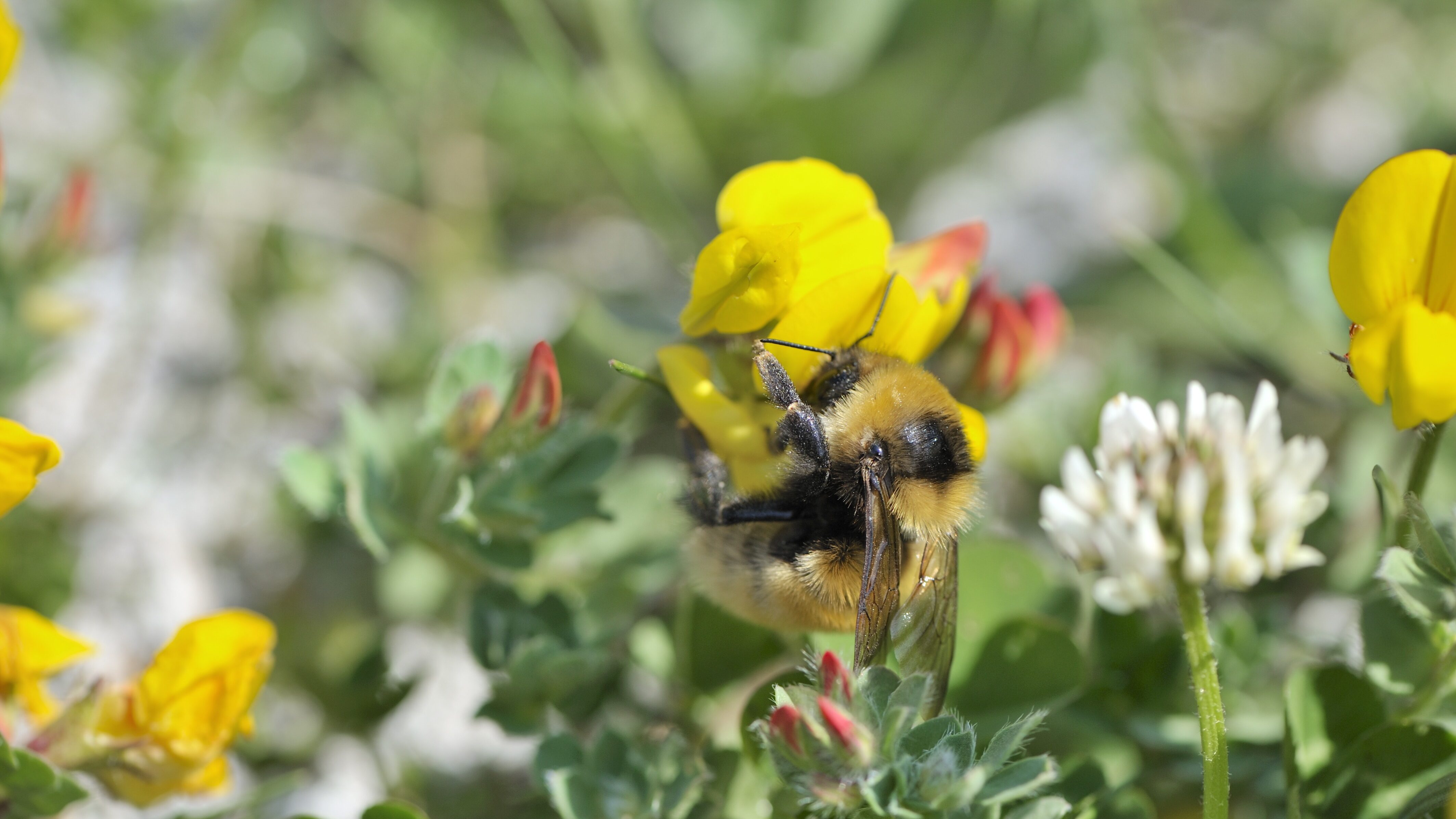
We are seeking a consultant to undertake a deep dive/consultation with crofters across the OH. Through a series of 1:1 semi-structured interviews, the post holder will engage crofters to collect stories and evaluate pathways to nature connectedness and the interaction between nature connectedness, positive mental wellbeing, and action for nature within this group. We would also like to know if nature connectedness is a general feeling, or whether it relates to specific connections with any particular species e.g. Great Yellow bumblebees, Arctic terns, Lapwings.
Purpose: To gain a greater understanding of the connection crofters feel to nature and the natural landscape, better understanding the current barriers they face to implementing nature friendly interventions on their crofts. As environmental pressures and socio-economic challenges grow, there is increasing interest in how nature-friendly crofting practices can support both ecological resilience and community wellbeing.
Outputs: A toolkit that defines how and why crofters connect with nature, choose to work with nature on their land, and gives recommendations on how future projects can help conservation organisations and crofters connect better to deliver mutual benefits for crofting businesses, species and crofter mental health and wellbeing.
The supplier: what we’re looking for
We’re looking for a consultant, or a team of consultants with the following skills, qualities and
experience:
- Experience in data collection in a social science context.
- Quantitative and qualitative social research methods.
- Experience in handling conversations regarding potentially sensitive subject matter
(e.g. mental health and wellbeing). - Knowledge of how to handle personal and sensitive information in a secure and GPDRcompliant
way - Recruitment of research participants in remote areas.
- Development of tailored evaluation methods with relevance to our key audience.
- Measurement of programme outcomes including people engagement, nature
connectedness and mental wellbeing using a range of evaluation techniques. - Data analysis of social research projects.
- Report writing to a high standard and presentation of data which clearly communicates
the findings to a range of stakeholders.
The Trust and project stakeholders will be able to support development and delivery of activities.
The report should help conservation organisations understand how crofters view nature connectedness, what aspects of nature and landscape bring positive mental wellbeing (with particular reference to local Gaelic culture) and what motivates crofters to act positively for nature.
The toolkit should be a lasting and accessible resource to inform future crofter engagement and nature conservation projects, based on the needs of local people. It will help ensure that
Budget
The expected budget for this work is: £10,000.
Budget must include consultation design, delivering 1:1 interviews either online or face to face, write-up of results and delivering final outputs as outlined above.
As this is funded by the programme budget and delivered by the Heritage Fund, there is a set amount of funding delegated to this element of the project and so it is not envisaged that the budget is very flexible for increase.
Clear expectations exist regarding budget management. The contractor will need to work diligently to remain within our budget boundaries, considering costs throughout the project delivery.
Tender process
This is competitive tender based on a submission of a project proposal that can be delivered
within the budget and timeframe indicated, itemising the following:
- The cost of the work
- Any materials and equipment needed to carry out the work
- Travel expenses
- VAT
Submitted tenders should include:
- A detailed project proposal outlining how the consultant(s) would approach the
project, engagement strategy with the internal project team and on-time delivery of
key milestones. - Outline your proposed approach with Trust staff detailing key steps and timeline for
completion. - A budget breakdown to include materials, VAT, travel and expenses.
- Confirmation of ability to work within the project timescale.
- Detailed examples of two comparable projects completed by the tendering.
consultants/associates to demonstrate relevance to this project. - CVs for all consultants and associates who would be involved in the project.
- Details of how risks to the project caused by inability to work of the lead.
consultants could be managed. - References
- Main contact details
Scoring criteria
Scoring will be based on the consultant’s ability to demonstrate the following:
- A project proposal that meets all elements of the brief, and that meets our aspirations.
- Exciting and innovative engagement ideas to ignite enthusiasm and active participation.
- Relevant experience.
- Value for money.
- Feasibility of proposal in relation to timescale.
Tenders will be shortlisted based on the criteria above and those who meet the criteria above
will be invited to interview.
Closing date & submission
All submissions should be emailed to katy.malone@bumblebeeconservation.org by Friday 13th March, 2026.
Interviews will be arranged at a time and date most convenient for all between 23rd – 27th March 2026.