Published by Shetland Amenity Trust, 25 March 2026
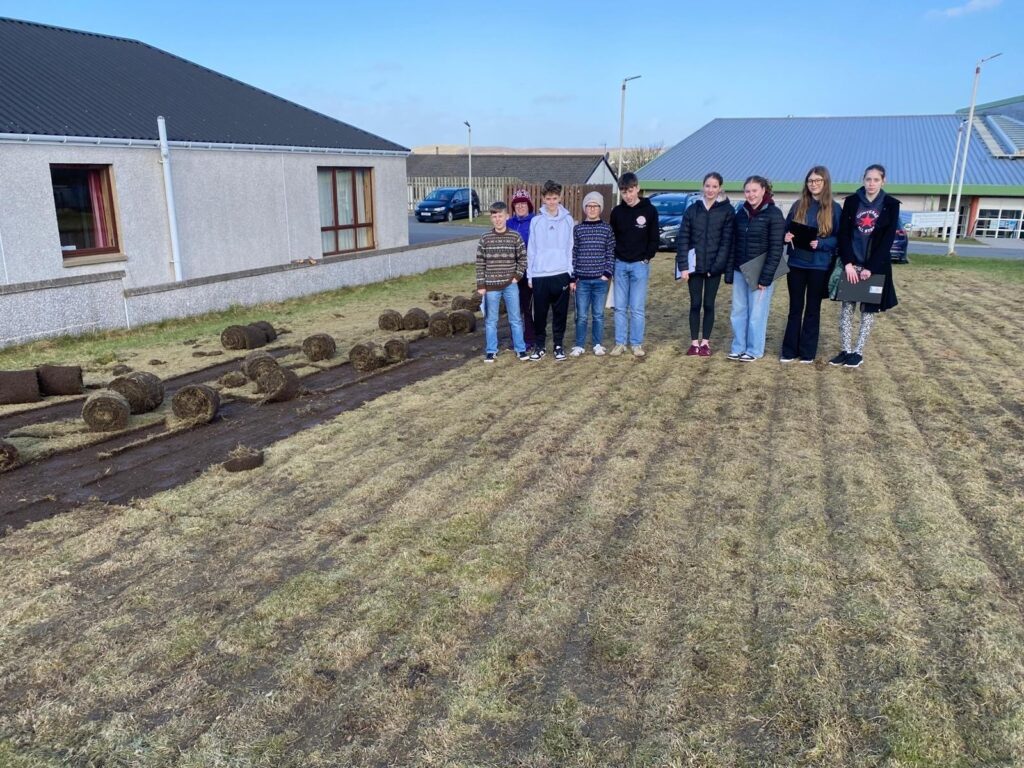
Work has begun on a new project to create areas of native wildflower meadow in Shetland, helping boost and provide important habitats for pollinators and other wildlife.
Shetland Amenity Trust (SAT) is pleased to be involved with the initiative, working alongside partners, Species on the Edge and Shetland Islands Council. Funding from Species on the Edge programme and the Scottish Government’s Nature Restoration Fund has helped make the project possible, with land provided by SIC.
The first sites are already being developed at Aith Junior High School and Tingwall Primary, and grounds work has also started in areas of Lerwick. Some people may have noticed bare strips of ground appearing at these locations in recent weeks. This is part of the early stage of creating wildflower meadows, where turf is carefully removed to expose the soil and give native wildflower seeds the best chance to germinate.
Wildflower meadow creation has long been an ambition for SAT and staff and volunteers have spent much of the past year collecting native seed from across the isles. Seeds have been gathered the length and breadth of Shetland, from Scatness in the south to Mangaster in the north and Burrafirth on the west side, with many collected from roadside verges and other wild areas.
These locally sourced seeds include native species such as bird’s-foot trefoil, red clover, devil’s bit scabious and tufted vetch, which have been chosen because they are particularly well suited to Shetland’s climate and provide nectar and pollen for insects at different times throughout the year.
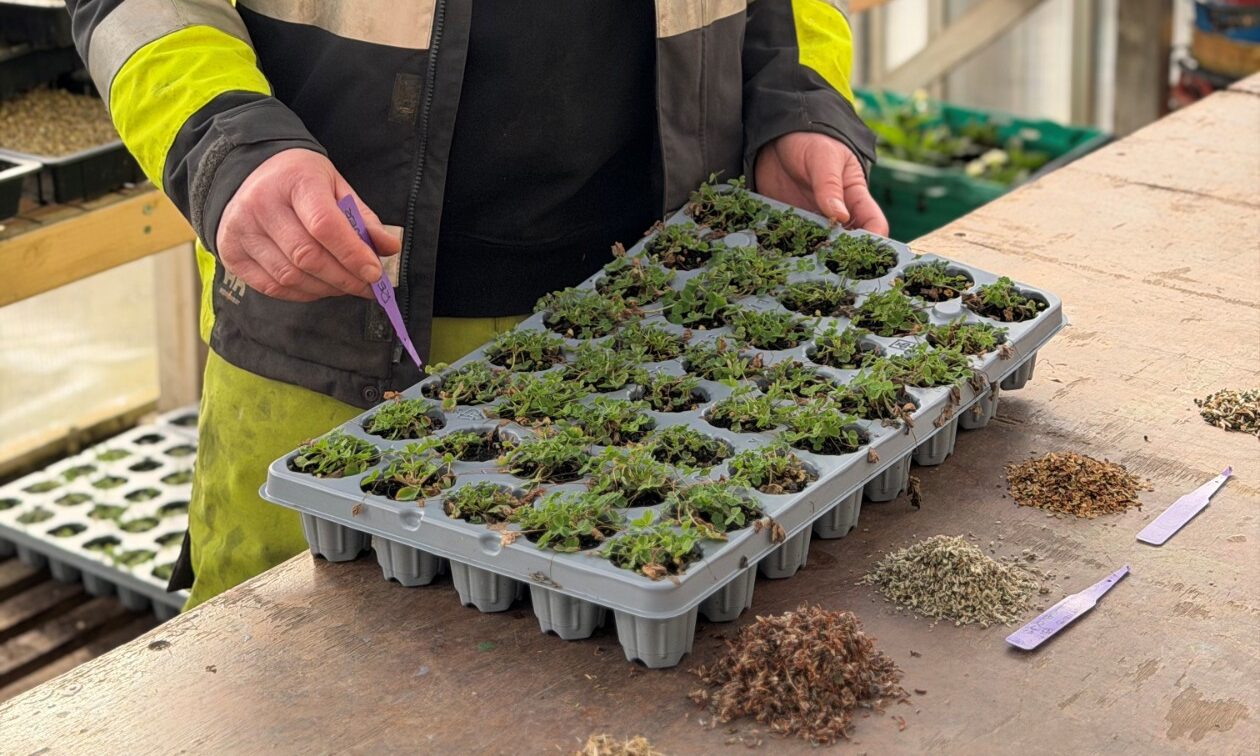
As part of the groundwork, rolled sections of turf have been used to form small banks that can provide shelter and nesting habitats for invertebrates. Plugs of plants such as bird’s foot trefoil and tufted vetch will be added to these banks to further enhance the habitat.
Later this spring pupils from both schools will help sow the collected wildflower seeds, giving them the opportunity to be directly involved in creating and caring for the meadows and to watch them develop over time.
Paul Goddard of SAT said: “Wildflower meadow creation is something we’ve long been interested in developing in Shetland, but up until now we simply haven’t had the resources, so it’s really exciting to see this project getting underway with help from Species on the Edge. Using locally collected native seed is very important as these plants are adapted to the Shetland conditions and will provide the best habitat for insects and other wildlife.
“This is a very long-term project. If these sites do well, they will also allow us to collect more seed in the future, helping us expand wildflower habitats in other areas.
Alongside the meadow work, the project aims to create a mosaic of different habitats. Plans include planting native Shetland trees, many of which have been grown at SAT’s horticulture unit, and include varieties such as the Eared willow, an important early source of pollen for bees and other insects.
Looking ahead, SAT hopes to expand the project and ultimately grow enough seed to support future habitat projects and possibly even provide seed for people to grow in their own gardens.
Anyone interested in offering land or finding out more about the project can contact SAT at info@shetlandamenity.org