Conservation Verges on Orkney: A Step Towards Ecological Enhancement and Climate Resilience.
By Alex Foulkes, Species on the Edge Orkney Area Manager and RSPB Scotland Conservation Officer. First published in The Orcadian 07/08/2025.

As we know the Orkney Islands are renowned for their breathtaking landscapes, rich biodiversity, and deep-rooted cultural heritage. As the global climate crisis intensifies and human activities increasingly encroach upon natural spaces, there is a growing recognition of the importance of local conservation efforts.
Among these, the development and maintenance of Conservation Verges — strips of roadside land managed specifically to support wildlife and native vegetation — stand out as an intelligent and impactful initiative. In Orkney, Conservation Verges are not just a small environmental gesture; they represent part of a broader commitment to sustainability, biodiversity protection, and community engagement. The Species on the Edge project has been supporting the Orkney Island Council in the improved management of these important verges in 2025.
Conservation Verges offer a vital refuge for native plant and animal species. In Orkney, where many of the natural habitats have been altered by agriculture and development, verges provide one of the few remaining areas where wildflowers, insects, and birds can thrive undisturbed.
These roadside strips can support pollinators such as bees, butterflies, and hoverflies — all essential to both natural ecosystems and local agriculture as well as a range of other insects such as spiders, beetles, grasshoppers and lacewings. Many of these insect species are facing declines across the United Kingdom. Almost every species of breeding birds in the UK depends on invertebrates at some point in its lifecycle.
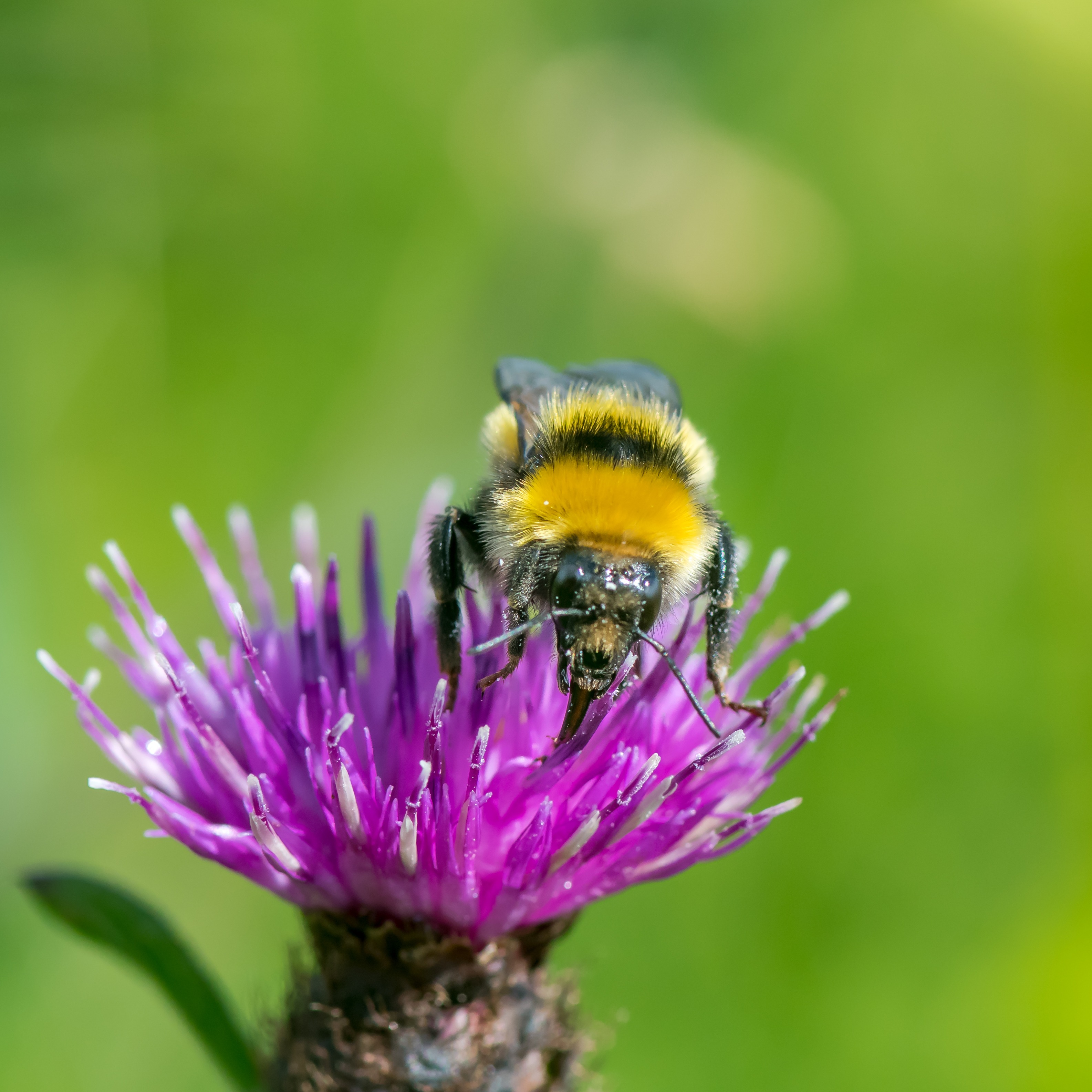
The diversity of wild plants on conservation verges can also support rare or declining species. For instance, plants like meadow vetchling, red clover, and bird’s-foot trefoil are not only beautiful but also crucial food sources for insects such as the Great yellow bumblebee. Orkney has one of the last populations of this rare species in Scotland.
By reducing the frequency and intensity of mowing and avoiding chemical treatments, these areas allow native vegetation to flourish and complete full lifecycles, increasing seed dispersal and encouraging plant regeneration.
Additionally, these small habitats serve as vital corridors connecting larger habitats. As climate change and land development fragment natural landscapes, these linear strips help wildlife move safely across the countryside, maintaining genetic diversity and resilience in the face of environmental change.
Beyond supporting biodiversity, Conservation Verges contribute to ecosystem services that help Orkney communities become more resilient to climate change. Vegetated verges help absorb rainfall, reducing surface runoff and the risk of flooding — a growing concern with more extreme weather patterns. The root systems of plants also stabilize the soil, reducing erosion and improving water quality by filtering pollutants.
Moreover, increased vegetation means increased carbon capture. While the scale is small compared to forests or peatlands, every contribution helps. The cumulative effect of widespread Conservation Verges across Orkney could play a modest but meaningful role in sequestering carbon and mitigating local climate impacts.
One of the most compelling arguments for Conservation Verges is their cost-effectiveness. Compared to large-scale habitat restoration projects, the management of verges is relatively inexpensive. In fact, in many cases, reducing mowing and pesticide use actually saves money for the Council. These funds can be redirected to education, signage, and community engagement, multiplying the impact of the initial investment.
Moreover, these verges make use of existing infrastructure — roadsides — that already intersect the landscape. Rather than requiring new land or major development, they repurpose these areas for conservation in a way that does not disrupt daily life or existing land use.
Orkney’s landscape is a fundamental part of its identity. Rolling green fields, wild coastlines, and blooming meadows are not only ecologically important but culturally significant. Conservation Verges enhance this visual heritage by encouraging the growth of native wildflowers and grasses, creating a more vibrant and aesthetically pleasing landscape.
They also provide educational opportunities for locals and visitors alike. Informational signage about the plants and animals supported by these verges can help build environmental awareness and pride in Orkney’s natural heritage. In turn, this hopefully strengthens community support for broader conservation efforts.
In a place as historically rich as Orkney — with Neolithic sites, Viking history, and crofting traditions — there is a strong sense of connection to the land. Conservation Verges reflect and reinforce this relationship, grounding environmental stewardship in local values and traditions.
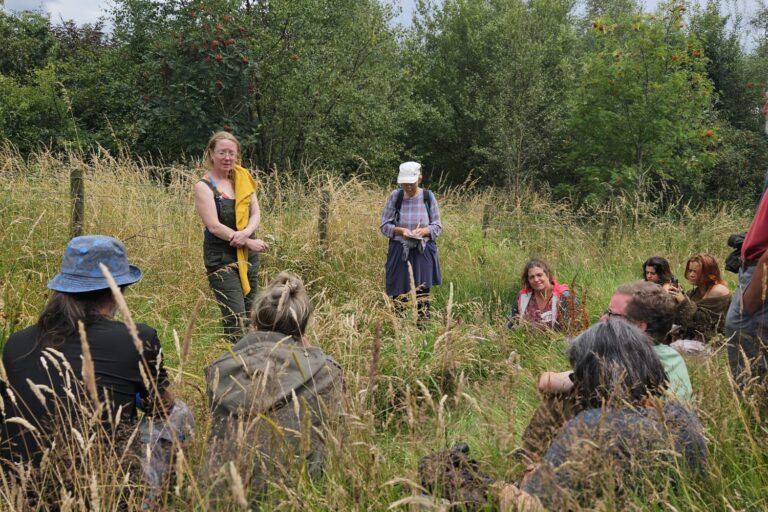
A key strength of the Conservation Verges initiative lies in its ability to foster community involvement. The Council, landowners, schools, and volunteer groups can and should all participate in the planning and maintenance of these spaces. This collaborative approach empowers residents, especially younger generations, to take part in environmental care on a tangible, local level.
School children can participate in wildflower planting and species monitoring, linking classroom learning with hands-on conservation. Gardeners and landowners might be inspired to adopt similar practices on their own land, creating a ripple effect throughout the islands.
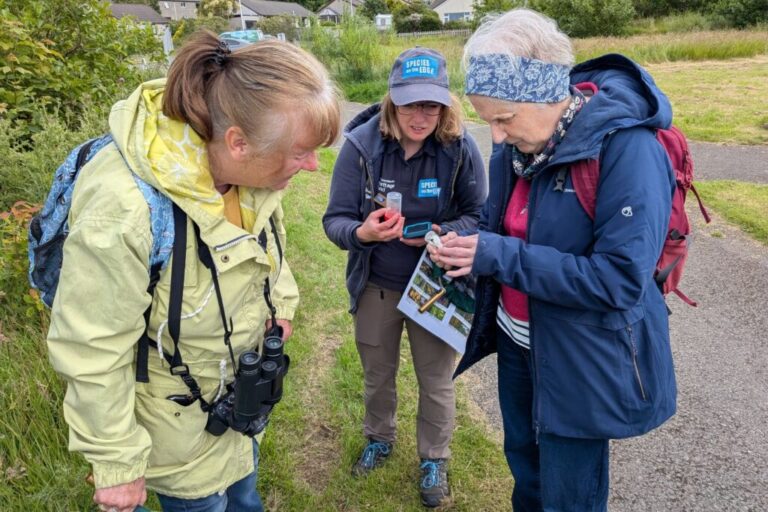
These verges also provide data points for citizen science. Monitoring programs for pollinators (such as Species on the Edge is doing with the great-yellow bumblebee) or plant diversity can engage people in scientific discovery and help track the long-term impact of the initiative.
In a world where natural spaces are increasingly under pressure, the implementation of Conservation Verges on Orkney is a forward-thinking, practical, and deeply meaningful initiative. These verges support biodiversity, strengthen ecosystems and contribute to climate change mitigation.
The Orkney Islands Council should be applauded for this incredible initiative.