Our bird ‘species on the edge’ need your help!
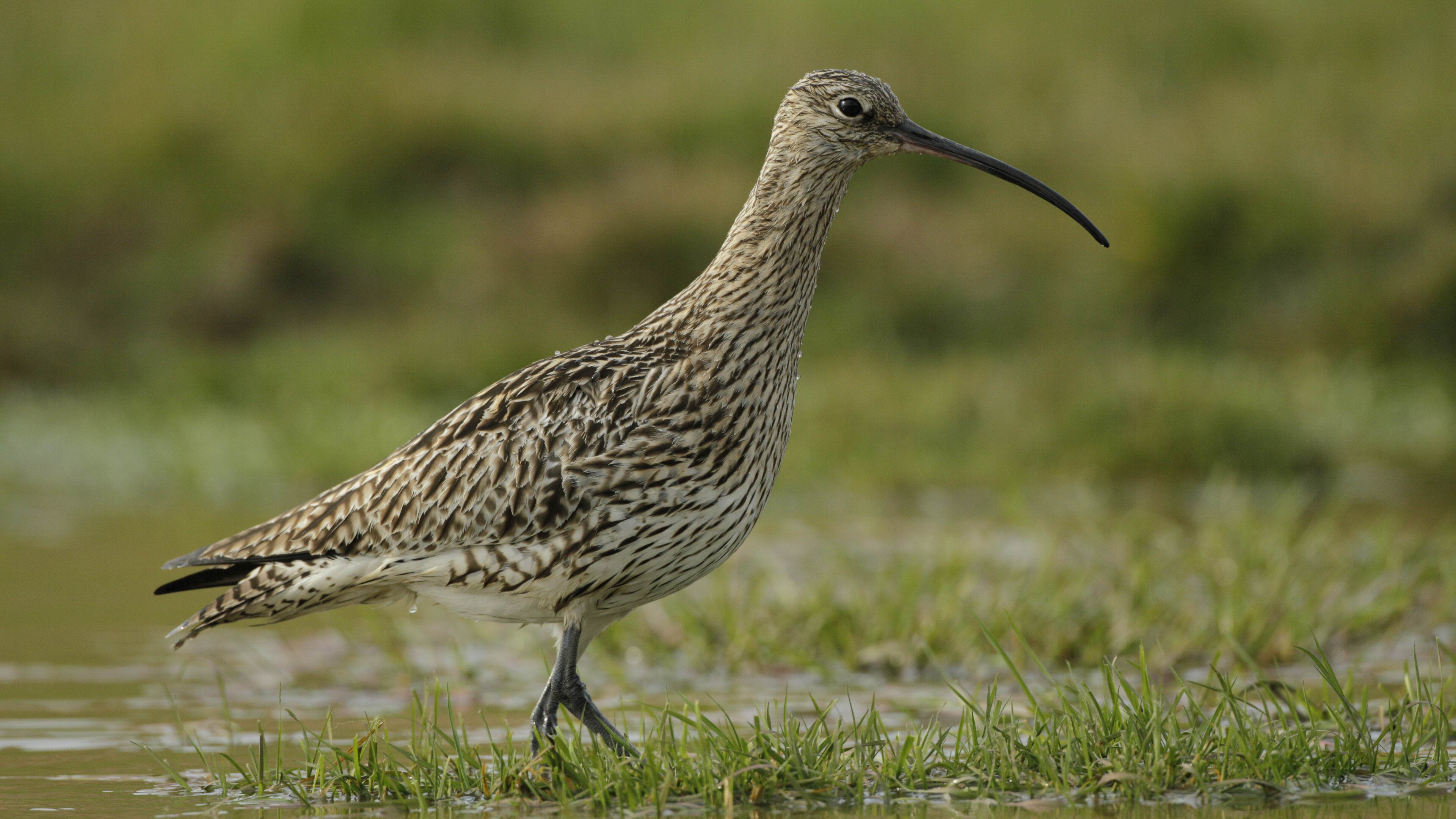
A vital part of the work we’re doing to support our ‘species on the edge’ is collecting data. The more we know about our priority species – where they are, how many there are, how many are breeding etc – the more informed, more targeted and more effective our conservation action can be.
However, there are just too many birds, too many islands, and too many miles of shoreline to leave this task of collecting data to the professionals. So, we’re asking the public to help! Don your citizen science caps and help us help our ‘species on the edge’!
There’s many different ways of getting involved; whether you’re a bird beginner or a fanatic for feathered-fellows, there’s a citizen science opportunity for you. Explore below, or get in touch for help with finding the opportunity for you: sote@nature.scot
Bird-based citizen science opportunities
Have you heard a corncrake? | Species on the Edge
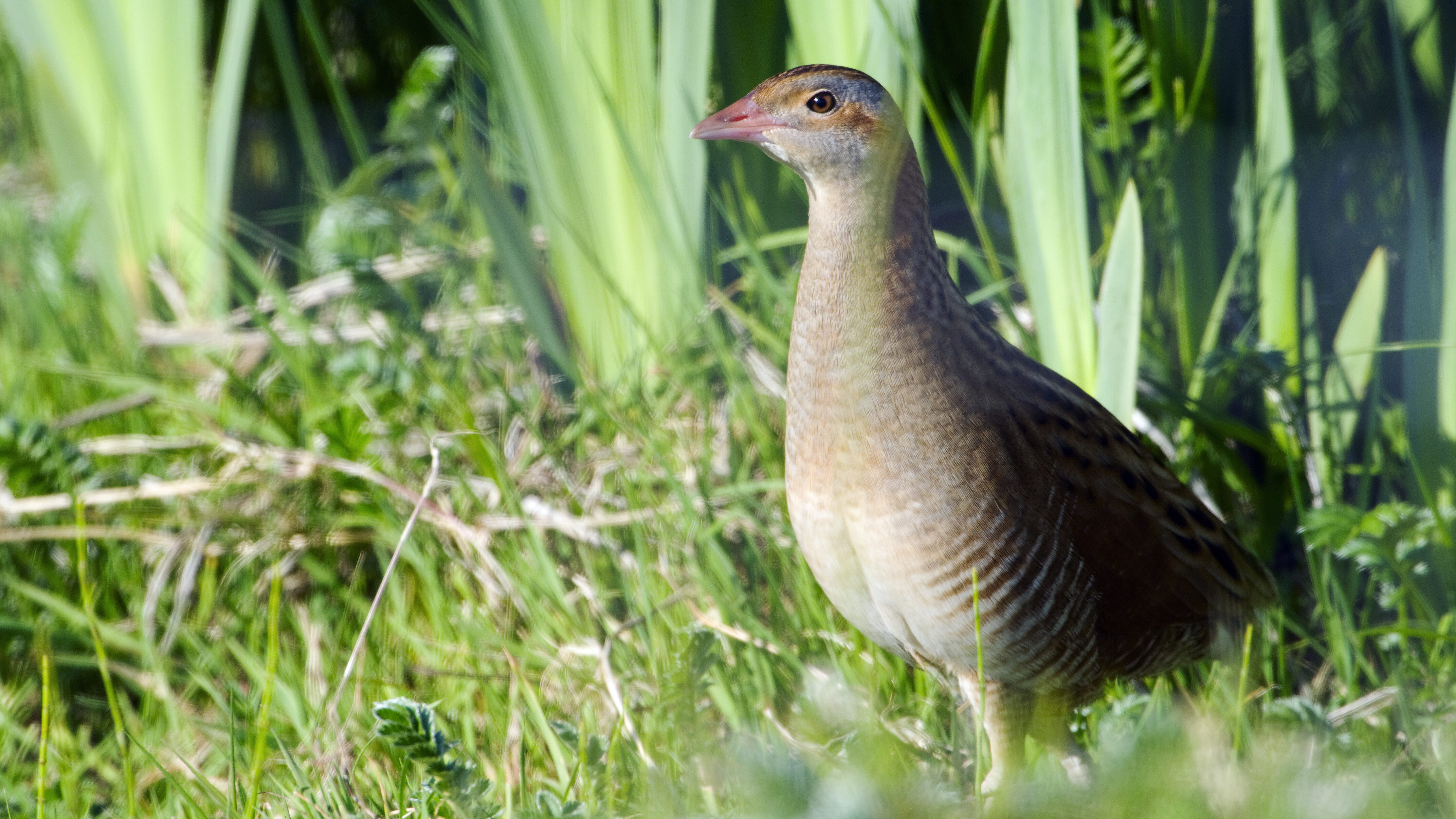
What: You can help with conservation of the corncrake by helping us learn more about them. If you’ve seen or heard a corncrake, let RSPB know by logging your observation on their simple online form: Corncrake Calling: Submit your observations
Skill required: Can identify the call of a corncrake. Listen (Credit: Mathias Ritschard / xeno-canto)
All the information: www.speciesontheedge.co.uk/listening-out-for-corncrakes/
Have you seen a ringed twite? | Species on the Edge
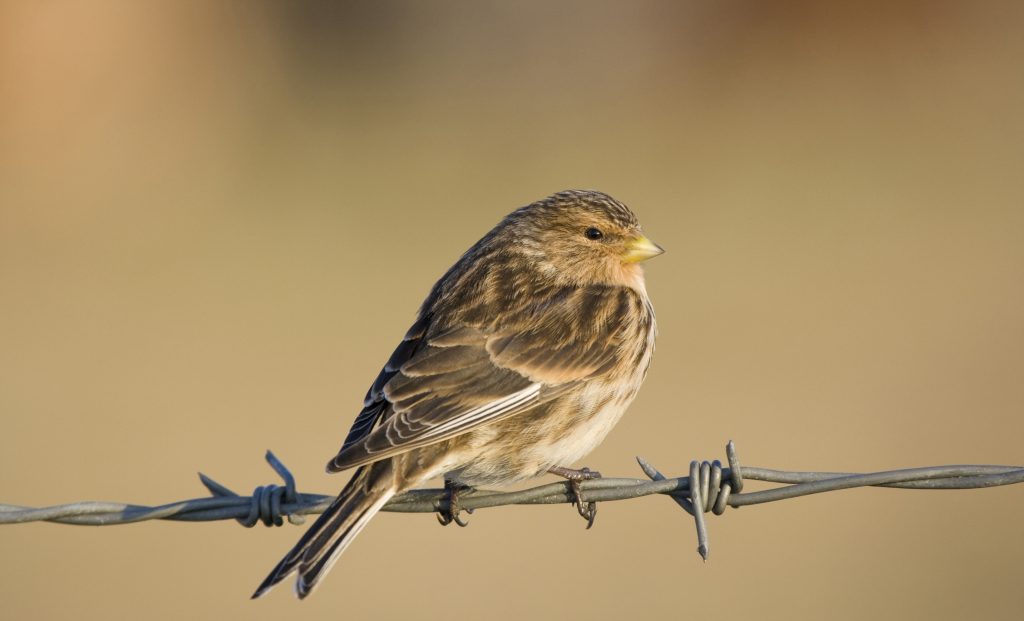

What: Species on the Edge is running a twite ringing project in Shetland and we’re asking people in Shetland, Orkney and the North Coast of Scotland to let us know if they see a ringed twite. This information will help help us better understand Scotland’s most northerly populations of twite. Do they have a preference of food source? How are they moving between crops? Where are twites travelling to and from? We can then take this learning and use it to formulate more informed and therefore more effective and impactful action for the twite.
How: If you see a twite with coloured rings on its leg, please email: kevin.kelly@rspb.org.uk. Please include the date of the sighting, the location and any pictures.
All the information: www.speciesontheedge.co.uk/have-you-seen-these-rings/
Have you seen a Little tern? | Species on the Edge (Orkney only)

What: Orkney Bird Recorder Steve Dudley and Species on the Edge are working together to collate Little Tern sightings for 2025 and need your help!
When: 2025
How: If you see a Little Tern in Orkney, please fill in our 2025 Little Tern Sightings Form.
Skill required: Can identify a Little Tern.
All the information: www.speciesontheedge.co.uk/have-you-seen-this-bird/
Garden BirdWatch | British Trust for Ornithology
What: Garden BirdWatch is designed to find out how, when and why birds and other animals use our gardens. Participants send in weekly lists of birds and other wildlife they see in their garden. Thousands of people across the UK contribute their sightings each week.
When: Year-round
How: Keep a simple list of which species visit your garden each week. You can take as much time on this as you like – a minimum of 20 minutes per week is advised.
Skill required: Can identify common garden birds by sight (don’t worry, BTO have guides!)
All the information: www.bto.org/our-science/projects/gbw
Breeding Bird Survey | British Trust for Ornithology, JNCC, RSPB
What: The Breeding Bird Survey monitors the population changes of 118 breeding bird species across the UK thanks to the dedication of almost 3,000 volunteers who survey their randomly selected 1-km square each spring.
When: April – June
How: The survey involves a recce visit and two early-morning spring visits to an allocated 1-km square, to count all the birds you see or hear while walking two 1-km lines across the square and record any nest counts for colonial nesting birds in the square.
Skill required: Able to identify UK breeding birds by sight, song and call. If you don’t have these skills yet but are eager to learn, BTO offers a range of training courses.
All the information: www.bto.org/our-science/projects/breeding-bird-survey
Big Garden Birdwatch | RSPB
What: The world’s largest garden wildlife survey!
When: January
How: Watch your garden birds for an hour and let RSPB know what you see.
All the information and register: www.rspb.org.uk/whats-happening/big-garden-birdwatch
Big Farmland Bird Count | Game & Wildlife Conservation Trust
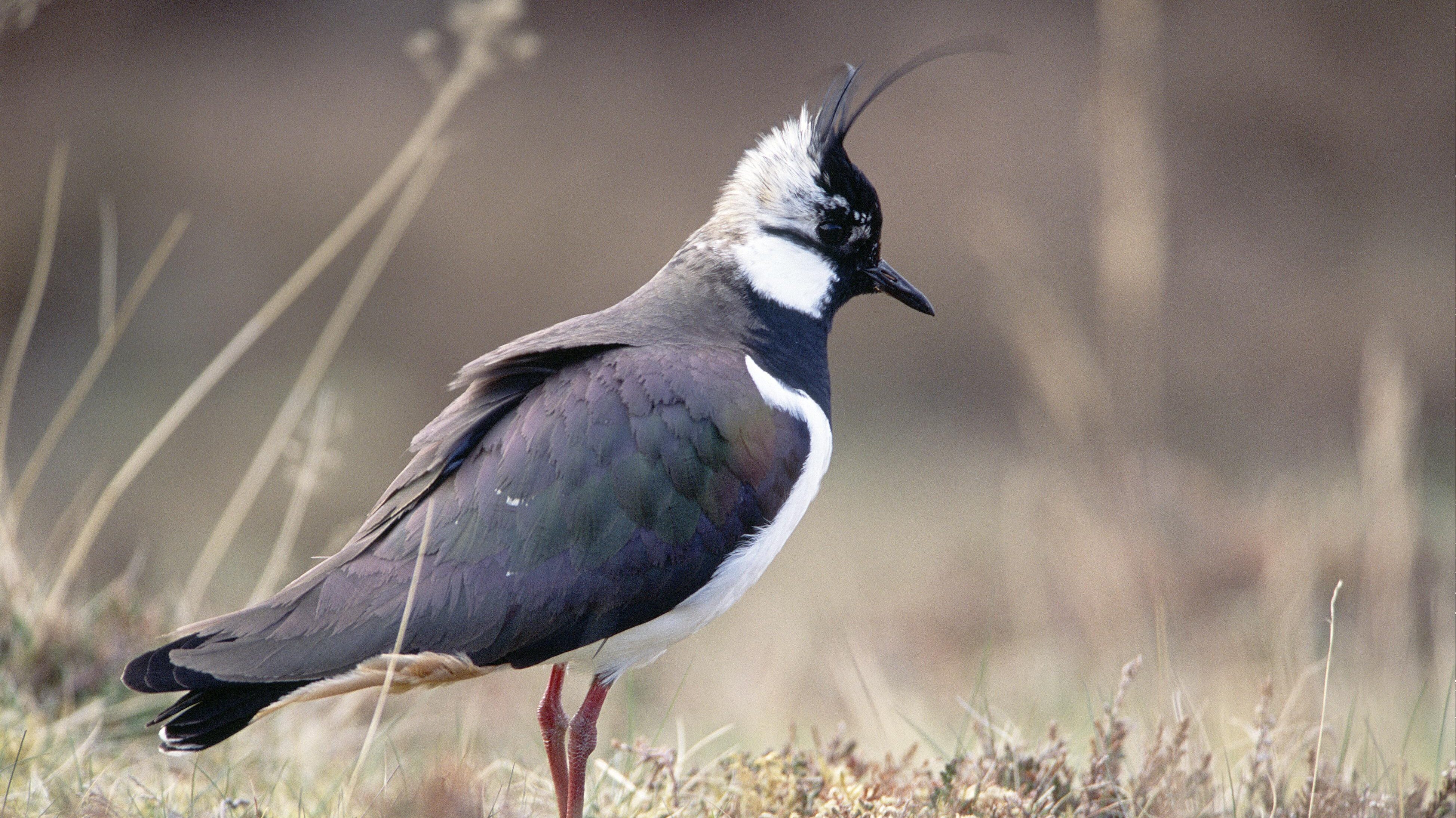
What: The Big Farmland Bird Count is an annual event that encourages farmers and land managers to record the bird species and numbers on their farms. The count aims to raise awareness of the important role that they play in helping our farmland birds, and to measure the impact of the conservation work that many farms and estates carry out.
When: February
How: Just follow three simple steps to take part:
- Download your count sheet.
- Count your birds – On one day between 7th and 23rd February spend about 30 minutes recording the species and number of birds seen on one particular area of the farm. You will be asked to record the types of habitat and cropping on and adjacent to your count site to help provide us with more detail about your count location.
- Submit your results.
All the information: www.bfbc.org.uk