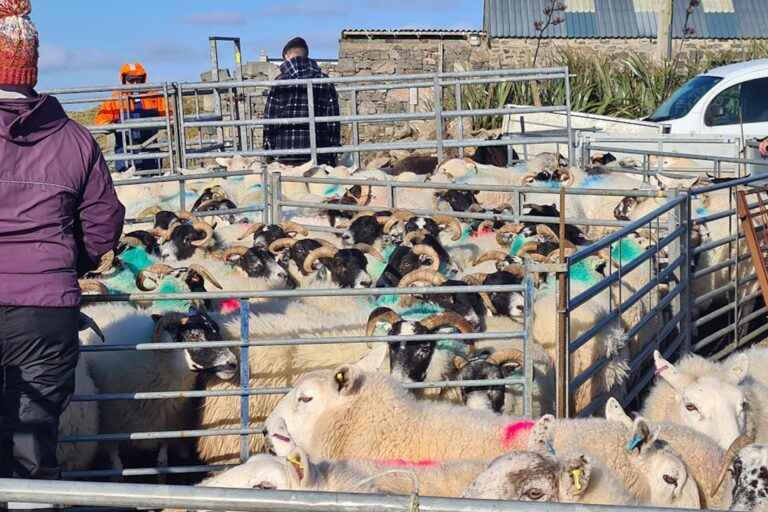

Conservation programme Species on the Edge (SotE) and Shetland Amenity Trust (SAT) are looking for crofters to help Shetland’s struggling pollinators by growing wildflowers.
SotE and SAT have teamed up to create a supply of wildflower seeds that are native to Shetland – therefore adapted to the climate and soils of our islands – to be used in meadow creation projects across the islands to provide key habitat for pollinators such as bumblebees.
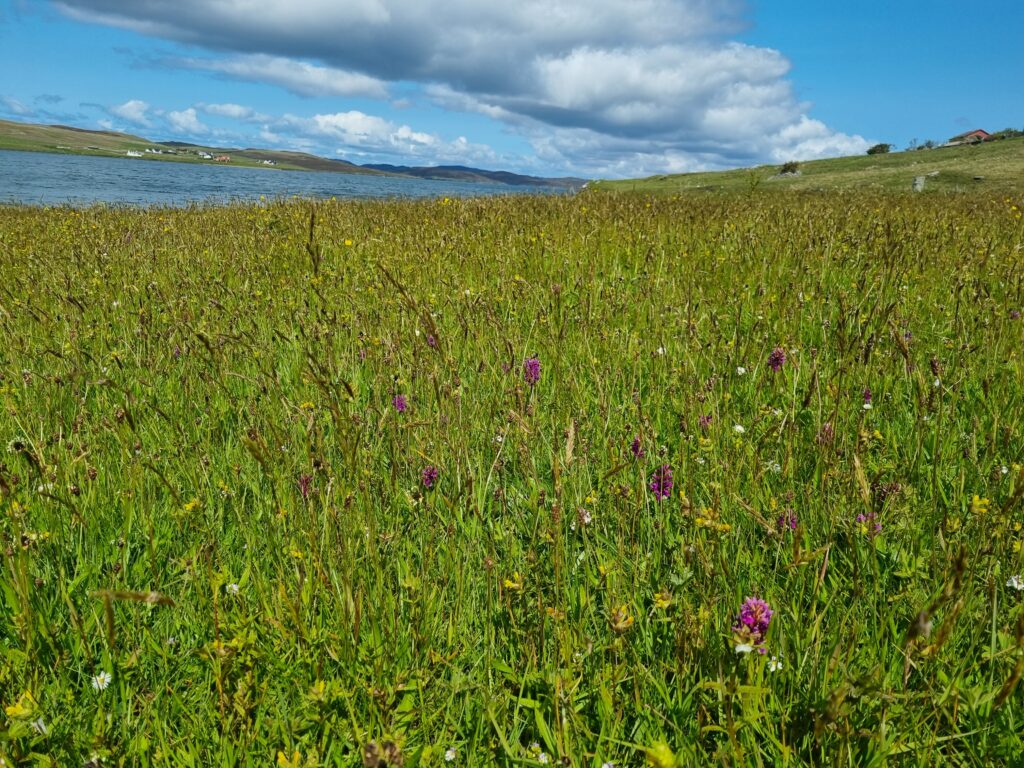
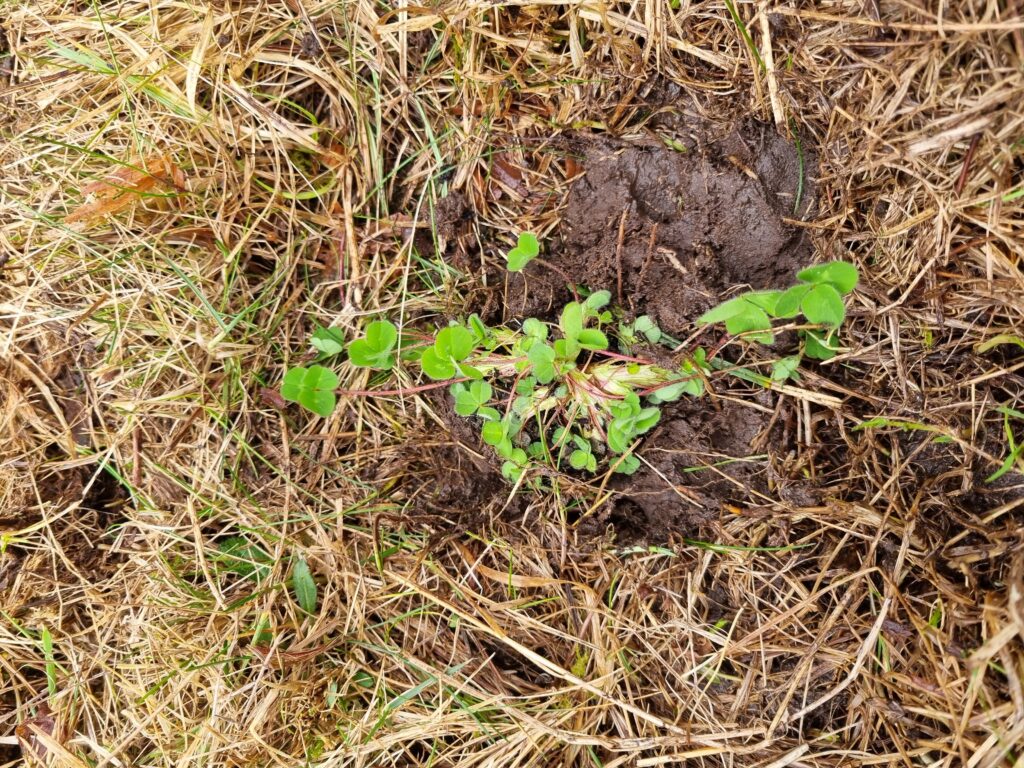
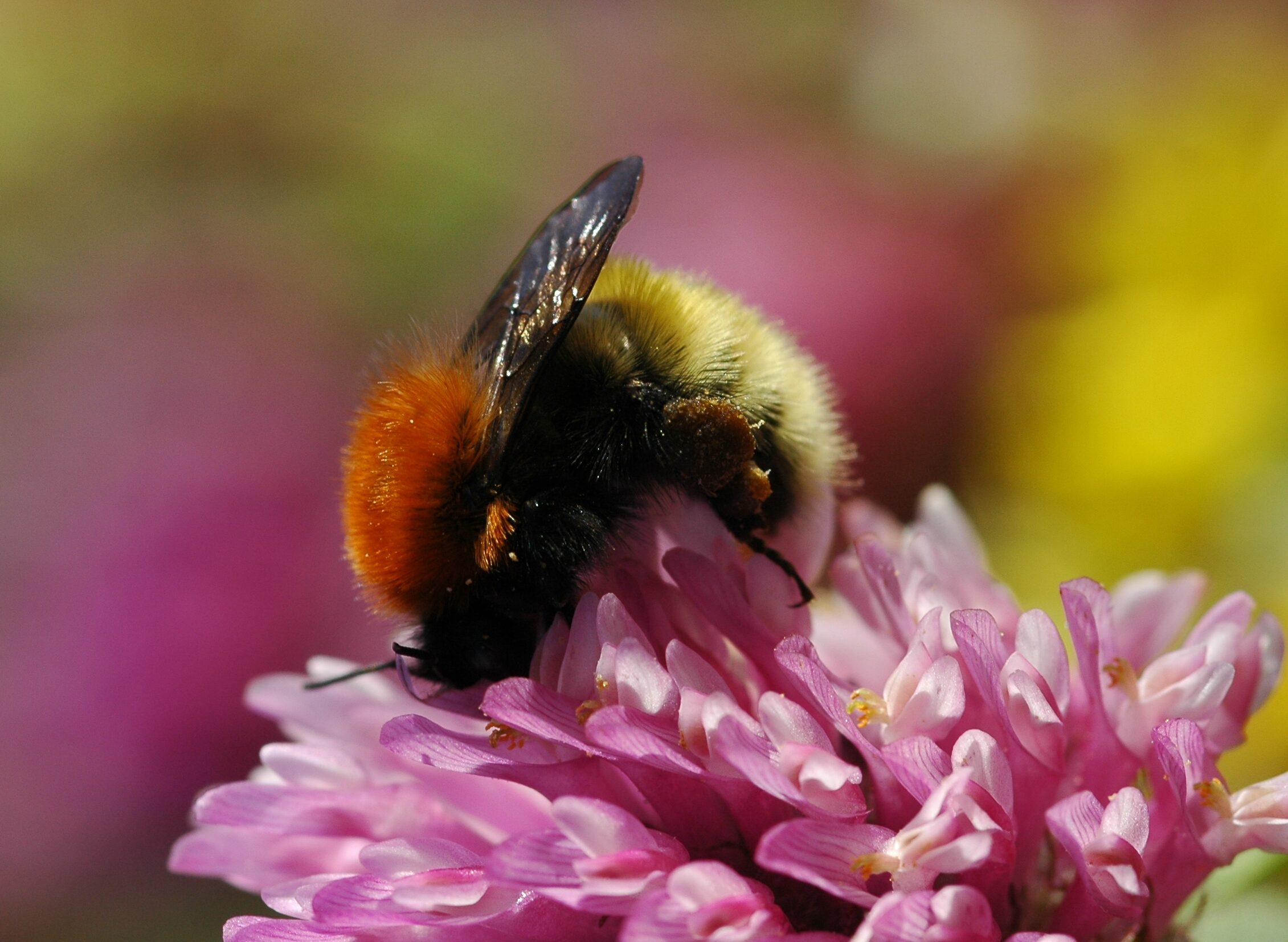
Wildflower meadows are grasslands that contain a diverse range of nectar-rich flowers, like red clover, bird’s-foot trefoil and yellow rattle. They are a vital food source for bumblebees throughout the summer.
Since the 1940s, the UK has lost 97% of its wildflower-rich meadows and pollinators such as bumblebees are struggling as a result.
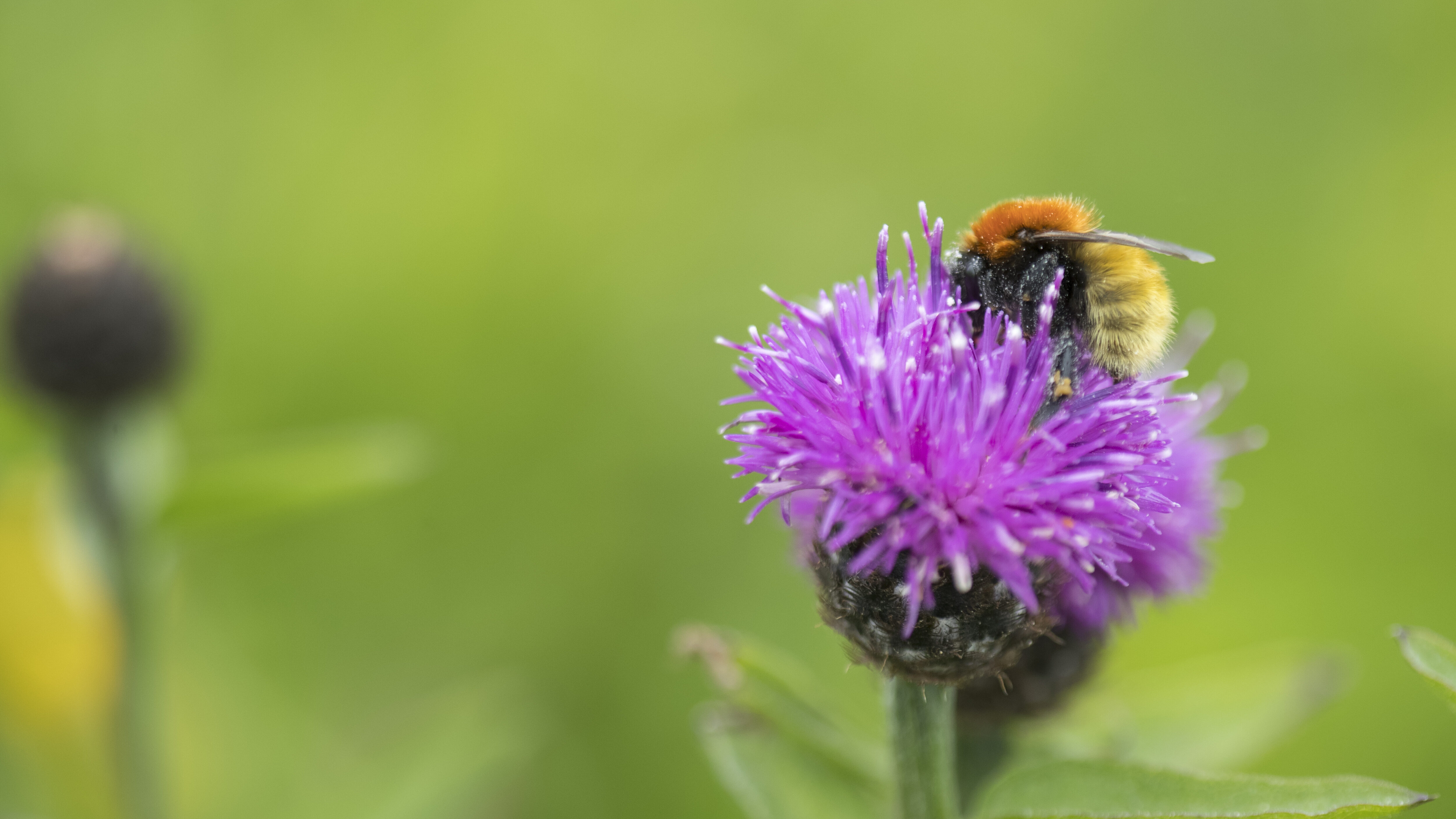
Shetland is home to six species of bumblebee: the White-tailed, Buff-tailed, Garden, Heath, and Early bumblebees, and an incrdibly rare sub-species of the Moss carder bumblebee, Bombus muscorum agricolae, known here as the Shetland bumblebee.
The Shetland bumblebee is easily recognisable with a vivid orange thorax and sunshine-yellow bottom. It can be found in Shetland, a handful of the Scottish Western Isles, and nowhere else in the world. With such a limited distribution, looking after this bumblebee here in Shetland is vital.
Species on the Edge and Shetland Amenity Trust are asking crofters to help boost Shetland’s precious pollinators by growing wildflowers on their land. They’re also interested in working with those who already have wildflower meadows on their land to help enhance the meadows and potentially harvest seeds from them. These seeds will contribute to the stock of native wildflower seeds to be sown on crofts across Shetland.
Nathalie Pion, RSPB Conservation Advisor and Species on the Edge Area Lead in Shetland, said: “Crofting plays a key role in maintaining habitats for bumblebees. Practices such as low intensity grazing and late-cut grasslands create the right conditions for native plants to thrive, and in turn support pollinators like bees. For that reason, we are keen to hear from crofters who have a meadow and want to protect and enhance it for the benefit of wildflowers and bumblebees as well as those who don’t currently have a meadow but would like to create new habitat for bumblebees on their land. We can provide guidance and support.”
Rory Tallack, Shetland Amenity Trust’s Natural Heritage Manager, said: “We’re excited to be working with Species on the Edge on this project. Very few areas are managed for wildflowers in Shetland right now, so the more people who get involved, the sooner we’ll be able to reach Shetland Amenity Trust’s goal of supplying native wildflower seed of local provenance throughout Shetland.” To find out more and to discuss options for your land, contact Becca, SotE Project Officer: rebecca.jackson@rspb.org,uk