As the temperatures in Shetland suddenly plummet, we can rewarm our hearts and bodies with contemplation of the fantastic work that has happened over the last few months, all made possible with the help of landowners, volunteers and eager participants across Shetland. Whether you prefer stories of rare finds, landscape-scale conservation work or positive steps to a greener planet, Shetland officers Gareth and Harry have you covered in their autumn update.
A long-awaited sighting of the Plantain Leaf Beetle
For those interested in rarities, we finally found the Plantain Leaf Beetle at the Keen of Hamar, Unst! Although this had been seen by the previous Species on the Edge officers in Shetland in 2023, the current staff have been searching tirelessly, until this summer when their efforts were finally rewarded. The lucky search involved five hours of serious stone turning with the local expert and volunteer, Mike Pennington. In total, the team found two alive beetles and a few elytra in the nearby area. These beetles were probably around as part of a second emergence, which is believed to happen in the annual cycle of this rare beastie.

An innovative approach to protecting Oysterplant
The team has been experimenting with recycling washed-up lobster creels as a form of protection for the Oysterplant in Shetland. The idea initially came from a volunteer after the damage that sheep do to this rare costal plant was discussed at an event. So far, the evidence seems very positive. At Stenness (a natural population site), plants under cages grew to around 50cm (about 40cm larger than any nearby plants!). At translocation sites we have so far observed that those under creel appear to survive longer and healthier. We already knew protection is crucial to protecting this blue coastal gem, but so far, the creels appear to offer a cheap, planet-friendly option.

Boosting Shetland’s endemic Hawkweeds
A total of six new sites have been planted with rare, endemic Hawkweeds. Thanks to the Shetland Amenity Trust’s (SAT) plant nursery, the team had access to over a thousand plants of five different species. This work could not happen without the landowners and volunteers involved, and through Species on the Edge these translocations will continue to be monitored carefully to find the best management to preserve the population in Shetland.

Going wild for wildflowers
Another shout-out to SAT is needed with all the labour-intensive work they’ve been doing this summer collecting wildflowers by hand across Shetland on verges and croft land. The Species on the Edge project is trying to spread the cover of wildflower meadows in Shetland and SAT have willingly agreed to join forces to reach this shared aim. SAT experimented with the seed collector bought as part of the project, but found in areas with low flower diversity, there was too much bycatch. We have since been drawing up a plan to sow wildflower strips to hopefully reduce the bycatch and bring Shetland one step closer to having a native seed bank.
Working hard for waders
After the early mornings and late nights of wader surveys, we now have enough data to carry out wader capital works and discuss optimal wader management on fourteen sites across Shetland. Some of the work will be to focus on grazing areas that have previously been without any management for almost fifty years. Some work is to open out the ground with ‘wader scrapes’. We’ve also funded and given out 46 Monil collars, which are virtual fence collars used for conservation grazing. There is still a lot more wader work to happen over this winter, so keep an eye out for demonstration events over the next few months.

Bolstering Shetland’s birds and bees
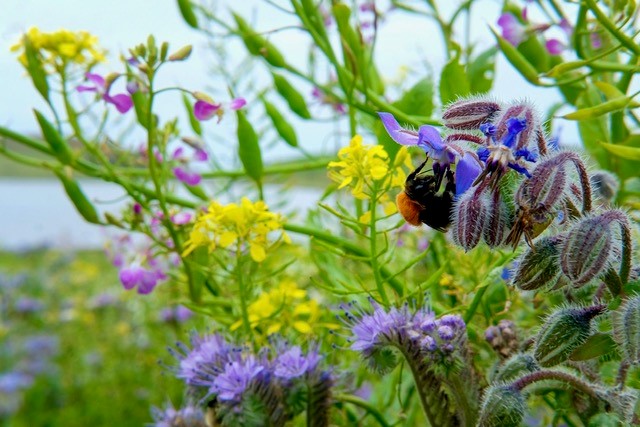
The Shetland landscape this year has been brightened with thirty-eight beautifully flowering ‘bumblebird’ crops. Hard-working volunteers have carried out bee surveys with one of the volunteers saying, ‘My lasting memory of this summer’s counts will be the crofter’s flowers alive with butterflies and a greater concentration of bees than I have seen for many a day!’. As the temperatures have dropped and we have entered autumn, there are now at least a thousand Linties (Twite) feeding on the crops in South mainland alone!

Getting arty with nature
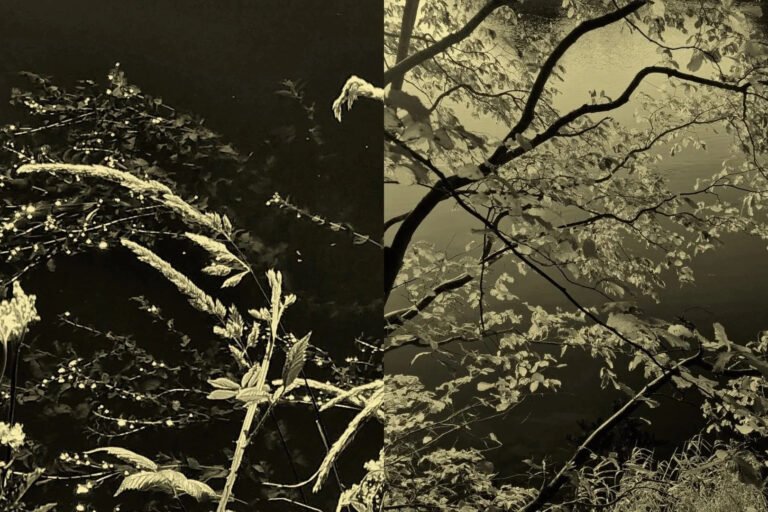
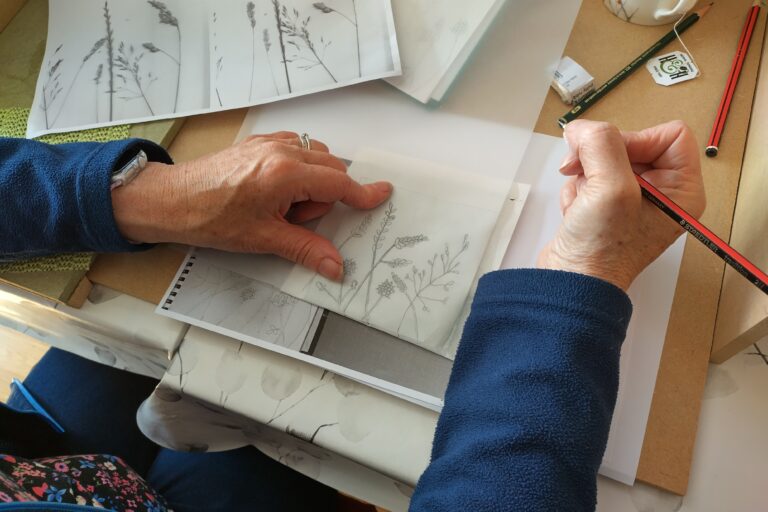
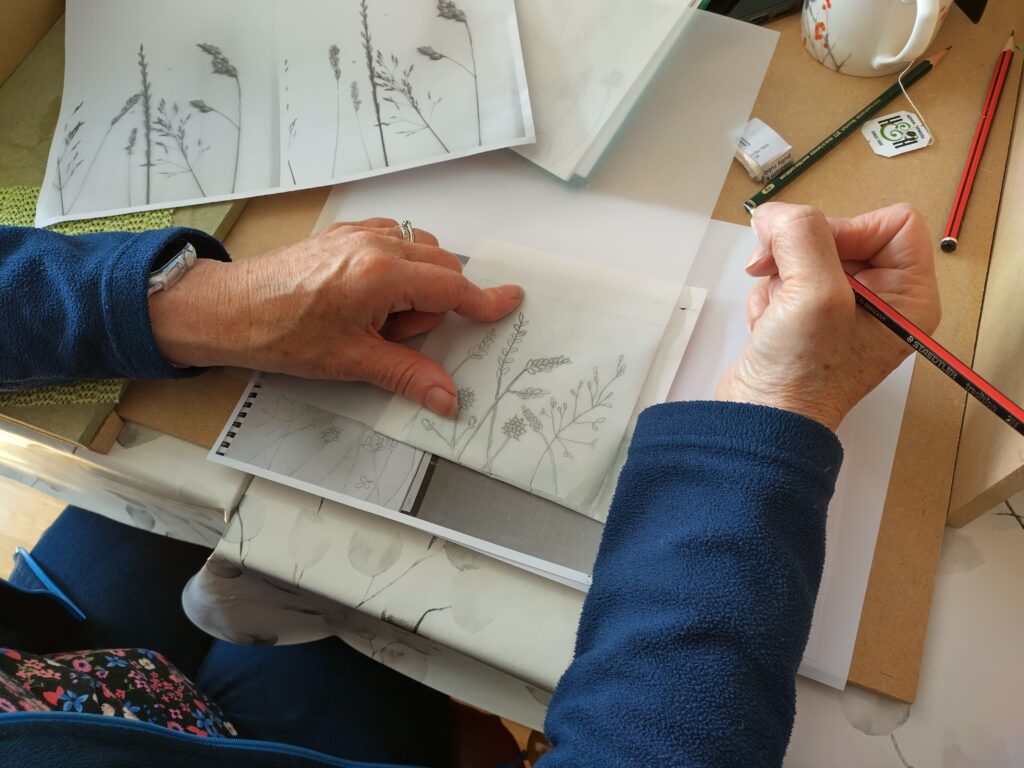
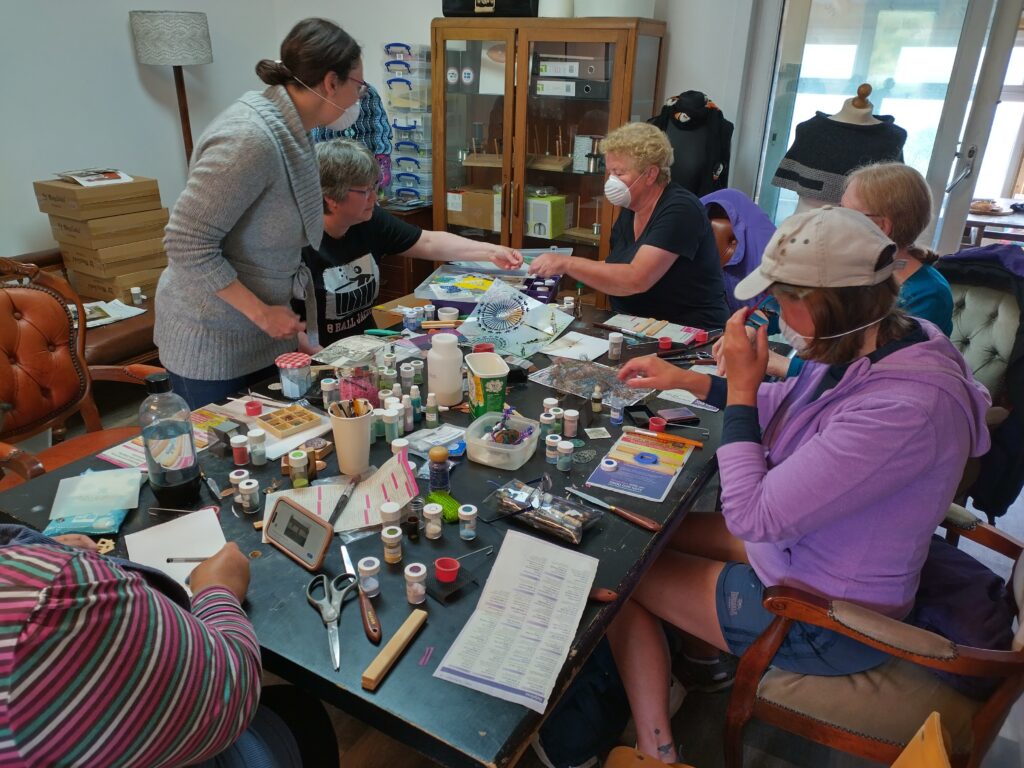
This summer has marked the start of our Art in Nature series, a collaboration between Species on the Edge and local artists to marry the cultural and natural history of the landscape. We have been working with fantastic artists – Jenny Sturgeon, Helen Robertson, and Diane Garrick – to bring their expertise in sound design, jewellery and botanical illustration to the people of Shetland and raise awareness of our ‘species on the edge’ and their surrounding landscapes and history.
This series took us to some fantastic historical sites, from Stenness, to the Ancient Water Mills of Huxter, down to the Burn of Catspund and its Norse soapstone mine. It has been a fantastic series, with memorable quotes – “I can’t stop dreaming about Oysterplant” – and memorable moments – sploshing dishes around in a sink listening for the plonk – all resulting in some beautiful artwork. The workshops are still ongoing and we are hoping to explore through art a few more places next year!

The youngins get stuck in
Gareth has been taking groups of 16 – 25 year-olds on some weekend trips to sites of natural beauty around Shetland over the summer. The highlight was of course Noss, with its array of dazzling seabirds and the friendly Tammie Norries (Puffins)! A small boat trip from Bressay over to the island, then a walk past the ancient Pictish church took us past an array of seascapes that couldn’t be dampened by the mist that set in for the best part of the day.

We’ve also been working with schools to plant our ‘bumblebird’ crops. From Northroe to Sumburgh Head this summer, bees have been filling their stomachs and lining their legs from the flowers which only a month before had been seeds being scattered by pupils. Now, into the autumn, it’s time for the birds to feed and already we have had Linties and Sparrows adorning the stalks searching for the seeds, much to our delight.
At Aith Junior High, the school has been looking after their very own Oysterplant translocation project, and have been monitoring the plants before and after the holidays to see how well they have fared. So far, just over a third of the plants have survived, struggling through the dry weeks of July and August. Now we are in autumn, all we can do is wait to see what survives till next year!
Baltasound Junior High Primary department have also been looking after one of our species, the Plantain Leaf Beetle! They have been out surveying it before the holiday, and with the help of Shetland for Wirds, they have created a story and a new Shetland name for the beetle! Watch out for its official release in the coming months!

Summer fun
Unst has been one of our favourite places to go in the summer, with UnstFest the highlight of the season! Species on the Edge ran three events this year, focussing on bees, beetles, and the botanics on the Keen of Hamar, our Plantain Leaf Beetle site. We had a fantastic time with treasure hunts and guided walks, and we can’t wait to return next year!
Another highlight of the summer are always the shows and we’ve enjoyed four of them this year, answering people’s questions and getting them excited about our species!
Coming up!
Join us next Thursday (6th November) for some Oysterplant protection knitting or crocheting! We’ll be joining Helen Robertson at the Northmavine Community Development Company’s Ollaberry lunch club for a workshop making crochet or knitted panels to adorn our Oysterplant protection creels. Join us for food and fun as we help this beautiful plant grow into the future! This event is free and all are welcome. Find all the details here: Knitting Protection for Oysterplant, Ollaberry, 6 November
That’s all for now!
The surprisingly warm summer in Shetland has been a productive one for the team. Relationships with volunteers and landowners have deepened, and our conservation work elevated. We’re all looking forward to what comes from the rest of the year and of course to welcoming back the mirrie dancers.
Any news of events or opportunities over the winter months will come to you via email so, if you haven’t already, make sure you’re signed up to the Species on the Edge Shetland mailing list: Join our mailing list!